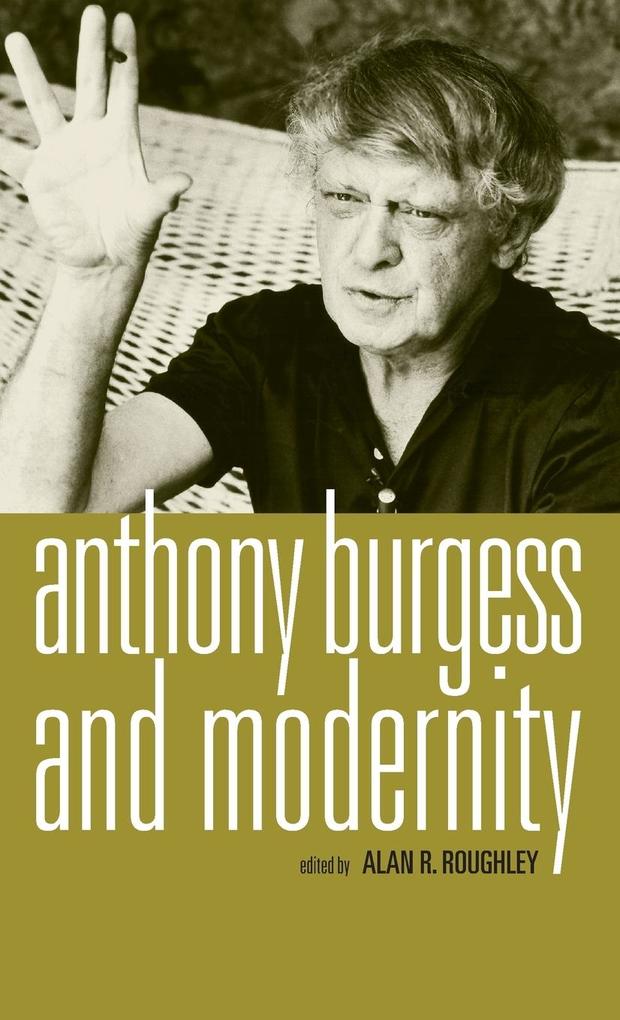
A valuable collection of essays that look at Anthony Burgess's relationship with Modernism and postmodernity
Inhaltsverzeichnis
Foreword
David Lodge
Introduction
Carson Bergstrom
I Interpreting Burgess
1 Negativity and dialogical play in Nothing Like the Sun
Nuria Belastegui
2 Human nature, sin and grace in The Wanting Seed
J'annine Jobling
3 The End of the World News: 'the end of the book and the beginning of writing'
Alan R. Roughley
II Burgess and music
4 The postmodernist always swings nice
Paul Schuyler Phillips
5 From Mann to modernity: Anthony Burgess and the intersection of music and literature
Christine Lee Gengaro
6 Anthony Burgess: a choral composer
Randall Hooper
III Burgess and (the) other(s)
7 Anthony Burgess's fictional biographies: romantic sympathy, tradition-oriented modernism, postmodern vampirism?
Aude Haffen
8 'Putting the boot in': A Clockwork Orange, post-'69 youth culture and the onset of late modernity
Peter Hughes Jachimiak
9 Futures past: The End of the World News
Anthony Levings
10 This, that and the other: Anthony Burgess inscribes his modernist differences in Little Wilson and Big God
J. Riesthuis
11 Burgess, Joyce and Ford: modernity, sexuality and confession
Max Saunders
12 Mr Burgess, Mr Nye, Mr Shakespeare and Mr Pickleherring: postmodernist representations of Shakespeare in Anthony Burgess and Robert Nye
Rob Spence
IV Burgess and language
13 From kampong to nation-state: Burgess on the Malay language and globalisation
Anil Biltoo
14 Anthony Burgess and the loom of language
Oswyn Murray
15 Lost in Babel: the search for the perfect language in Anthony Burgess's A Clockwork Orange
Carla Sassi
16 Burgess/Kubrick/A Clockwork Orange (twenty-to-one)
Beryl Schlossman
Afterword
Anthony Cronin