Bücher versandkostenfrei*100 Tage RückgaberechtAbholung in über 100 Filialen
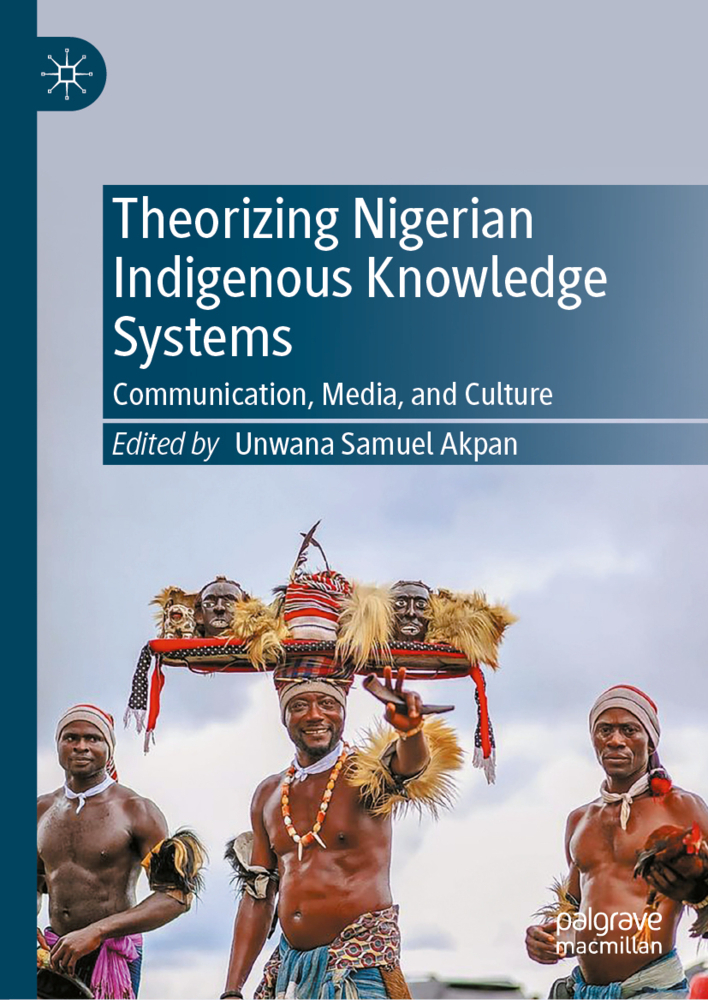
As the first comprehensive book on theorizing indigenous Nigerian knowledge systems in communication, media and culture, this seminal work seeks to excavate, reclaim and recenter indigenous knowledge and perspectives in understanding the complexities of Nigerian communication, media, and cultural practices. This volume also seeks to de-westernize, decolonize, and domesticate African communication scholarship by bringing together seasoned communication and media scholars to develop communication and media theories rooted in the Nigerian perspective, drawing from the country s status as the most populous Black nation on earth, and its rich sociocultural communication traditions. These contributions aim to challenge and dismantle the long-standing dominance of Euro-American epistemological frameworks in the field. Established and emerging African communication and media scholars are beginning to rethink and question the application of Western communication and media-based theories to indigenous African communication and media experiences, exploring their creation, content, reception, encoding, decoding, as well as their cultural and contextual aspects. These Afro-ethno-communicative postulations help in identifying how these theories align or diverge from the unique cultural and traditional communicative experiences of the indigenous African people. In light of this awareness, the book seeks to revolutionize the way African scholars apply African and Western theories to interpret local media and communication phenomena in Africa and the diaspora. It emphasizes a shift towards recognizing and embracing emerging non-western indigenous theories, showcasing their potential to break away from homogenization and serve as catalysts for progressive advancements in academic African scholarship.
Inhaltsverzeichnis
Introduction. - Theorizing and Integrating Indigeonus Nigerian Sociocultural Communication Knowledge in Interpreting Our Everyday Experiences. - Chapter1. - Minding Culture And Its Impact On Apologia In Communication Theory. - African Collectivism Cultural Case. - Chapter 2. - Theorizing Social Media As The New Village Square For Traditional African Moonlight Tales. - Chapter3. - Demoluwabi. - Ontologizing The Idea of Democracy In Africa. - ShugabanKasa Mediated Glocal Influence Theory. - Chapter 4Examining BBC and VOA Hausa Services Role in Nigeri s Presidential Elections-2003-2023. - Chapter5. - Noahic Theroy Of Balanced Media Narrative. - Chapter6. - Retheorizing Western Feminist Theory Through The Yoruba Concept Of IYA Abiye. - Chapter7. - Representing Home. - Crystallizing Ese ILE Theory In Nollywood Films And Its Implications For Narrative Identity. - Chapter8. - Introducing Ko Ko Ko Ogbare Theory of Collective Identity in Urhobo Indigenous Communicative Setting. - Chapter9. - Proverbs As African Communication Theories. - Chapter10. - Proverbialism Theory. - Owe L Esin Oro, Bi Oro BA Sonun, Owe La Fi Un Waa-As Search Engine Theory. - Chapter11. - Regurgitation. - A Theory For Interpreting And Understanding Igbo Proverbs. - Chapter 12. - The Concept Of Yoruba Jegudujera Narratives And Nigerian Style Of Corrupt Journalistic Practice. - Chapter13. - Eba Ebot Media Theory(EEMIT). - Laying The Frame Work. - Chapter14. - Odudu Ikpaison Media-Sociology Theroy(Oimst). - Chapter15. - Repositioning Abokism Theory. - From Southern Nigeria Cultural Stereotype Imagination To Northern Music Reconstruction. - Chapter 16Re-Examining Political Economy Of News Realayed By The Nigerian Mass Media. - EbiEba Theory In Perspective. - Chapter17News Consumption, Digitization And Political Economy Of Media Convergence In The Day-To-Day Nigerian Life. - Chapter18. - Soro Soke And The Digital Public Agenda. - Making A Case For A New Theorization Of Agenda Setting. - Chapter19. - Social Inclusion Behavioural Change Theory(SIBCT) Of Development. - Chapter 20. - New Theoretical FrameWork For Urban Poverty Reporting In Nigeria. Chapter21. - Theorizing Child Nutrition And Survival Communication From A Nigerian Perspective. - Lessons From Exclusive Breastfeeding Study In Ogun State. - Chapter 22. O-S-M-R/Tricycle Model. - Conceptual Framework For Understanding Communication In Africa. - Chapter23. - Push -ICT Theory.
Es wurden noch keine Bewertungen abgegeben. Schreiben Sie die erste Bewertung zu "Theorizing Nigerian Indigenous Knowledge Systems" und helfen Sie damit anderen bei der Kaufentscheidung.