Bücher versandkostenfrei*100 Tage RückgaberechtAbholung in über 100 Filialen












Am 10. Mai ist Muttertag: 15% Rabatt11 auf die schönsten Geschenke mit dem Code MUTTERTAG
Jetzt einlösen
mehr erfahren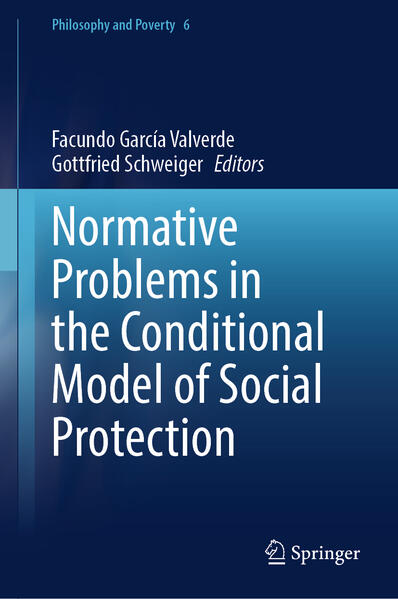
This book discusses conditionality in social policy from normative, ethical, and philosophical perspectives. It brings together researchers from a variety of disciplines and parts of the world, opening new perspectives for the reader. Conditional social benefits are widespread and controversial: for supporters, they express that the state can expect something in return for its services and that self-responsibility is thereby strengthened. For critics, conditionality is synonymous with control and subjugation. This book discusses and investigates both views on conditionality, allowing the reader to get more in-depth knowledge of this topical and important aspect of social policy and political philosophy.
Inhaltsverzeichnis
Introduction. - Part I The relational costs of the Conditional Paradigm. - When Is Distrust Problematic in Conditional Cash Transfers? . - The Symbolic Dimension of Governing the Poor: Practices, Discourses, and Ethics Around the Undeserving Recipient in Italy. - Part II Normative justifications of conidtionalities. - A Republican Justification for Social Programs to Fight Poverty. - Justifying the Conditionality of Social Protection Programs: The Case of the Philippines Pantawid Pamilyang Pilipino Program (4Ps). - A Conditional Evaluation of Brazil s Bolsa Família Conditionalities. - The theoretical substance of welfare-states : social protection, cash transfers, and conditionality. - Family poverty and dignity. The question of conditional social benefits. - Conditional Welfare, Active Labor-Market Policy, and Contributive Justice. - Redistribution with(out) stigmatisation. Conditional Cash Transfers vs Universal Basic Income. - Does UBI Diminish Unfreedom and Poverty? Some Difficulties in Making a Case for It. - Conditionality, Reciprocity, and Capabilities.
Es wurden noch keine Bewertungen abgegeben. Schreiben Sie die erste Bewertung zu "Normative Problems in the Conditional Model of Social Protection" und helfen Sie damit anderen bei der Kaufentscheidung.