Bücher versandkostenfrei*100 Tage RückgaberechtAbholung in über 100 Filialen
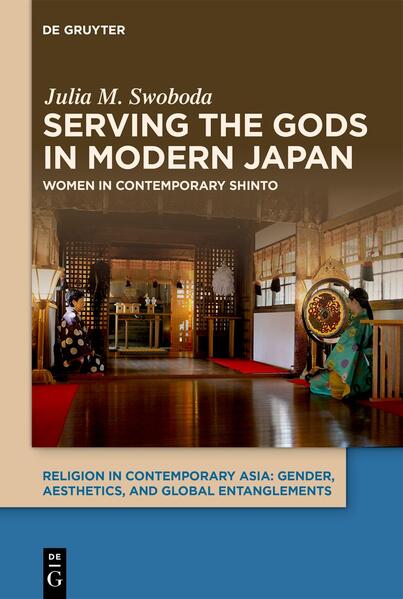
Previous research on Shinto has shed light on the history of female priesthood, provided ethnographies of shrines and documented the persistence of a male-dominated shrine world. However, the experience of women in religious positions in contemporary shrine and imperial court Shinto have received little attention, despite their growing significance as religious successors and leaders in an aging and secularised society. How do they go about their day and navigate this "male world"?
On the basis of extensive empirical research, this study closes this gap, theorizing on the identity and agency of female priests, shrine assistants and palace ritualists, grounded in data from fieldwork, interviews and autobiographical material. It also provides thorough introductions to each position, the socio-political framework and an excursion into the shrine wife's role. While the task of inheriting and transmitting shrine culture in service of the kami unites all the women under study, the ways they perceive their religious identity and role are distinct in each position and its specific set of (pre)conditions. It is thus the first study in the English language to treat and compare all major positions for women in contemporary, lived Shinto.
Urbanität, Mobilität, ein höheres Bildungsniveau, digitalisierte Kommunikationsmuster und andere Faktoren verändern das religiöse Leben in den verschiedenen Regionen des gegenwärtigen Asiens. Etablierte Wissens- und Gesellschaftsordnungen werden zunehmend fluide. Vor diesem Hintergrund richtet die Reihe den Blick auf ästhetische, materielle, geschlechter-spezifisch differenzierte und global eingebettete Perspektiven und leistet damit einen wichtigen Beitrag zum Verständnis der religiösen Gegenwartskultur Asiens.
Es wurden noch keine Bewertungen abgegeben. Schreiben Sie die erste Bewertung zu "Serving the Gods in Modern Japan" und helfen Sie damit anderen bei der Kaufentscheidung.