Bücher versandkostenfrei*100 Tage RückgaberechtAbholung in über 100 Filialen
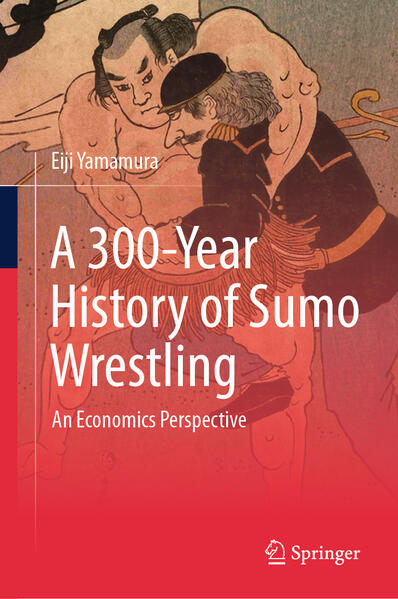
This book traces 300 years of sumo's economic and social history, examining how it survived and evolved through major historical upheavals including the Great Fire of Edo, the Meiji Restoration, and World War II. It explores how sumo developed as immigrants flowed into Edo, and how the tradition has transformed into Japan's most globalized labor market today. The book also analyzes how dismissed Yokozuna (sumo champions) became innovators who reshaped the sumo world.
Inhaltsverzeichnis
Domestic Labour Market Mobility and the Sumo Wrestler. - Where Did the Sumo Wrestler Come From? Globalisation from the Period of High Economic Growth. - Analysis of Sumo Wrestler Labour Migration: Rural Surplus Labour and Migration to Urban Areas. - Incentives and Career Performance of Sumo Wrestlers. - Sumo Wrestler Labour Supply, Unfavourable Weather, and Local Networks. - David vs Goliath in Sumo. - Progress and Stagnation in Globalisation. - The International Labour Network Constructed by Minority Stable Masters: Rule-Breaking and `Creative Destruction . - Physical Stature as Human Capital: Consequences of Globalisation and Rising Injuries. - The Collapse of Communism and the `Globalisation of the Sumo World. - The Impact of Foreign Sumo Wrestlers on Sumo Stable Performance. - The Mechanism of Promotion in Sumo. - The Sumo Renaissance and Japanese Sumo Wrestlers. - Globalisation of Market Competition and the `Living Cultural Treasure the `Dignity of Sumo as Such. - References. - Epilogue.
Es wurden noch keine Bewertungen abgegeben. Schreiben Sie die erste Bewertung zu "A 300-Year History of Sumo Wrestling" und helfen Sie damit anderen bei der Kaufentscheidung.