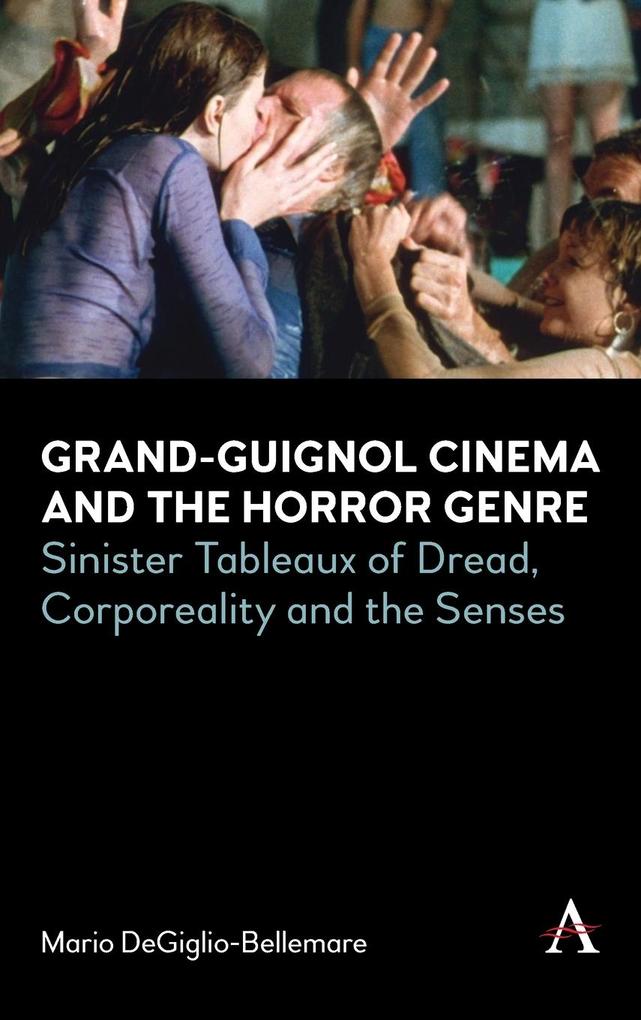
Grand-Gugignol Cinema and the Horror Genre maps important contributions of the Parisian Grand-Guignol theatre's Golden Age as theoretical considerations of embodiment and affect in the development of horror cinema in the twentieth century. This study traces key components of the Grand-Guignol stage as a means to explore the immersive and corporeal aspects of horror cinema from the sound period to today.
Inhaltsverzeichnis
Introduction: Grand-Guignol Cinema and the Senses Eyes Without a Face, Attractions, Affect and Facial Trauma; One The Grand-Guignol Theatre: A Short History of the Theatre and Spatial Ecologies of Dread The Hitch-Hiker and Shivers; Two Grotesque Carnivals of "Stubborn" Aurality: Embodied Discourse in Early Talkie Horror Cinema Murders in the Rue Morgue, Freaks, and The Black Cat; Three The Sight of Corpses in the Ruins of Modernity: Surgical Sadists under Censorship The Body Snatcher, and Mad Love, The Blood of the Beasts; Four Erotic Abattoirs of Bad Taste: Unproductive Potlatch in Exploitation Cinema Fascination, Grapes of Death, and Salò, or 120 Days of Sodom; Five French Colonial Skinning: Affect and Becoming-Wound in the Cinema of Sensation Trouble Every Day, Sombre, and In My Skin; Conclusion: Drag Performativity and Multisensorial Dread Blood and Black Lace and Psycho; Bibliography; Index