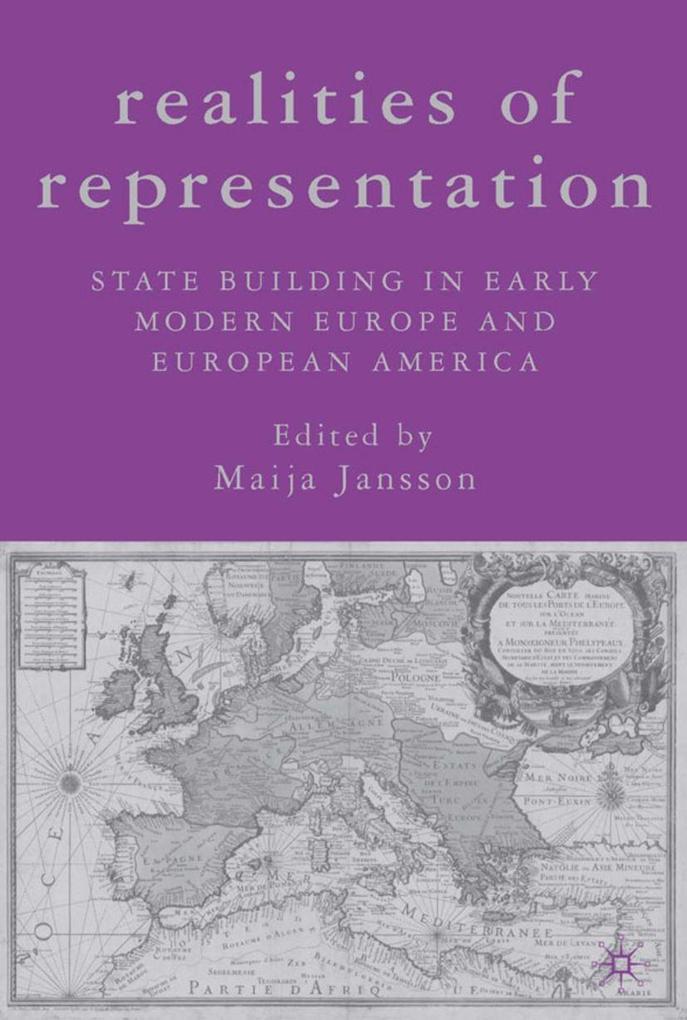
This book offers an examination of the idea of representation and the institutional realities that shaped it in early modern Europe and European America. Contributors demonstrate how a country's history, society, and national experience dictate how representation is realized in political institutions, including parliaments, riksdags and reichstags.
Inhaltsverzeichnis
Introduction: Realities of Representation; M. Jansson PART I: ENGLAND The Representation of the People in Eighteenth-Century Britain; H. T. Dickinson Parliament and the Idea of Political Accountability in Early Modern Britain; P. Seaward Boroughmongering, Biography, and the Reform of Parliament: James Boswell and the Earl of Lonsdale, Gordon Turnbull PART II: FRANCE The Unrepresentable French; D. Bell PART III: GERMANY Noble Corporations and Provincial Diets in the Ecclesiastical Principalities of the Holy Roman Empire; R. G. Asch PART IV: IRELAND Power, Politics and Parliament in Seventeenth-Century Ireland; J. Ohlmeyer PART V: SCANDINAVIA Repression and Representation: Political Culture in Early Modern Scandinavia; K. J. V. Jespersen PART VI: SPAIN An Unbalanced Representation: the Nature and Function of the Cortes of Castile in the Habsburg Period (1538-1698) - J. I. Fortea PART VII: EUROPEAN AMERICA Traditions of Consensual Governance in the Construction of State Authority in the Early Modern European Empires in America - J. P. Greene Governing a Colony pas commes les autres: the Dilemmas of Unplanned Conquest; R. Cook Conclusion: New Approaches to Early Modern Representation; S. Pincus Afterword: Representative Government: How Sure a Thing? ; R. Zaller