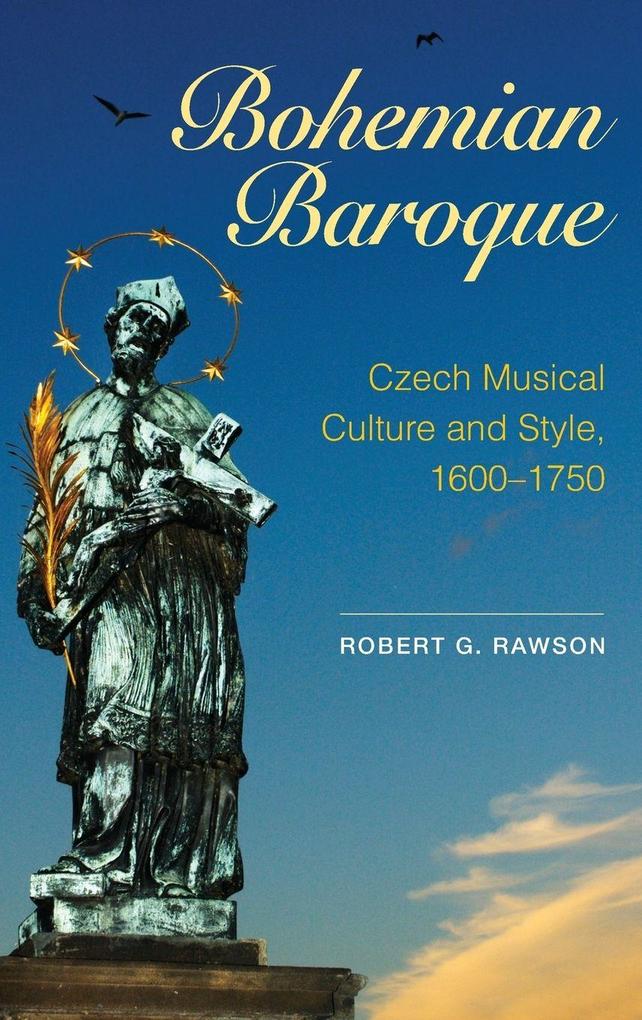
Traditional polemical histories of Bohemia and Moravia identify the period from the early seventeenth to the second half of the eighteenth-century as a "period of darkness" - particularly in terms of Czech-language culture. This book challenges that interpretation from the perspective of musical culture and demonstrates that this was in fact a vibrant, productive and innovative period, both for music in the Czech language and instrumental music. Focussing on the distinctive nature of Czech-language education and devotion along with Germanic traditions and the prominent role of rural life in shaping musical culture, it reveals a new understanding of Czech musical practices and repertoires - as a beguiling blend of the older, non-conformist, vernacular traditions with the new, theatrical, Italian styles and genres.
Inhaltsverzeichnis
Introduction
National Narratives and Identities
Cultural and Musical Idioms of Town and Country
Devotional Practices and the Culture of Conversion
'Thither From the Country'-Village Life and Education
Christmas Pastorellas
'Melancholy Ditties about Dirt and Disorder'
Musical Devotions and the (re)Engineering of Patron Saints
Between Venice and Prague-the Vivaldi Connection
Identity on the Stage