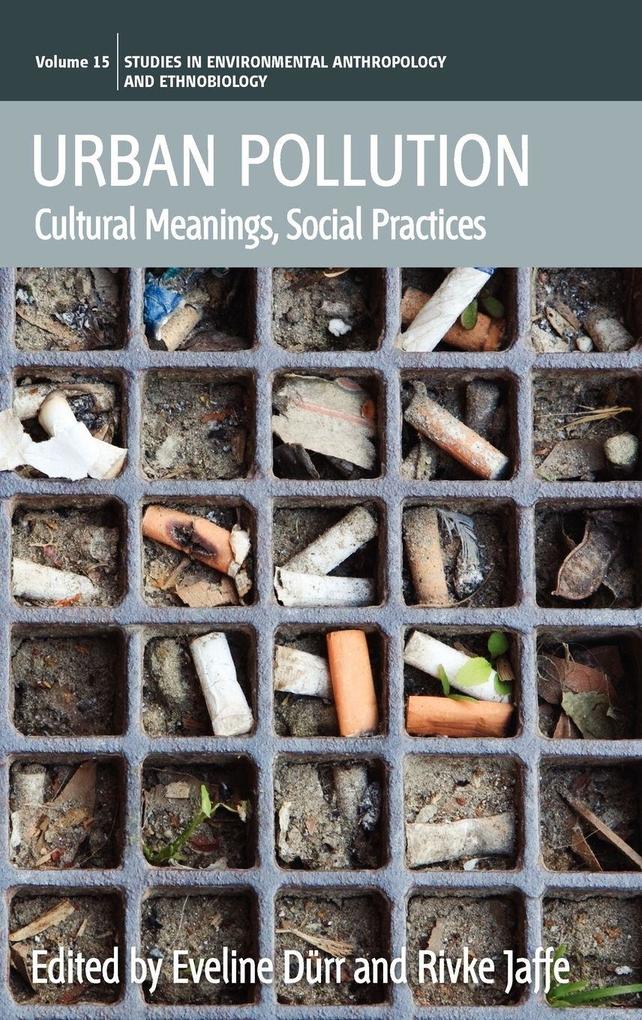
Provides an ethnographic approach to urban pollution
Explores the cultural meanings ascribed to concepts of "clean" and "dirty"
Draws on a wide range of case studies in cities in both the North and the South
Inhaltsverzeichnis
List of Figures
Acknowledgements
Chapter 1. Introduction: Cultural and Material Forms of Urban Pollution
Rivke Jaffe and Eveline Dürr
Chapter 2. 'Tidy Kiwis/Dirty Asians': Cultural Pollution and Migration in Auckland, New Zealand
Eveline Dürr
Chapter 3. Private Cleanliness, Public Mess: Purity, Pollution and Space in Kottar, South India
Damaris Lüthi
Chapter 4. The Jungle and the City: Perceptions of the Urban among Indo-Fijians in Suva, Fiji
Susanna Trnka
Chapter 5. Gendered Fears of Pollution: Traversing Public Space in NeoliberalCairo
Anouk de Koning
Chapter 6. The Choice between Clean and Dirty: Discourses of Aesthetics, Morality and Progress in Post-Revolutionary Asmari, Eritrea
Magnus Treiber
Chapter 7.Using Pollution to Frame Collective Action: Urban Grassroots Mobilisations in Budapest
Szabina Kerényi
Chapter 8. Cleanness, Order and Security: The Re-emergence of Restrictive Definitions of Urbanity in Europe
Johanna Rolshoven
Chapter 9. Social Equity and Social Housing Densification in Glen Innes, New Zealand: A Political Ecology Approach
Kathryn Scott, Angela Shaw and >Bava
Chapter 10. Afterword: Impure Thoughts on Messy Cities
Aidan Davison
Notes on Contributors
Index