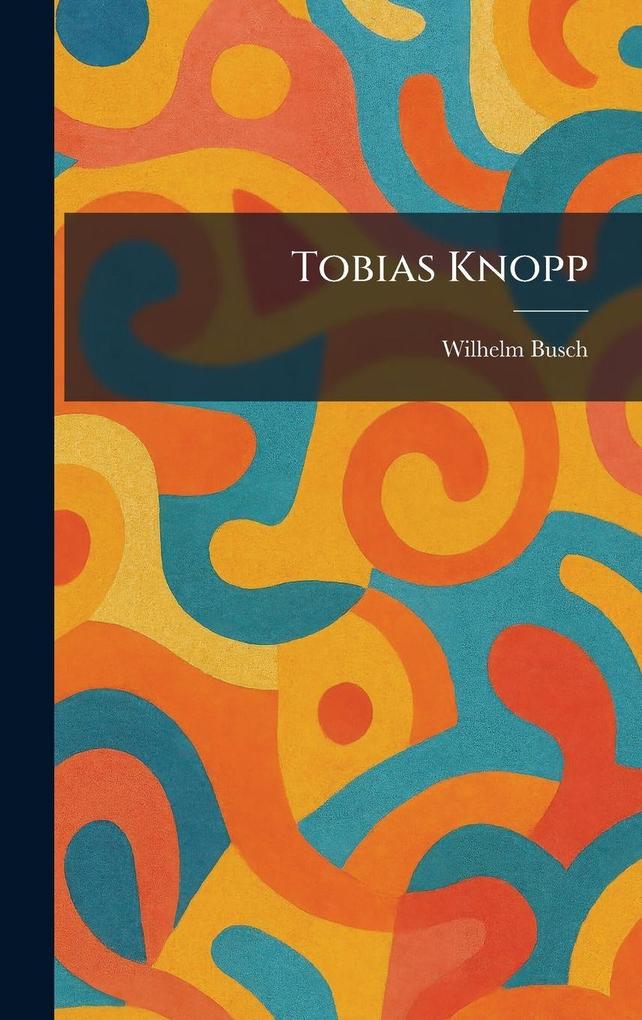
"Tobias Knopp" is a masterful collection of humorous verse narratives by the renowned German author and illustrator Wilhelm Busch. This work follows the misadventures and domestic life of its titular character, a confirmed bachelor who eventually decides to seek a wife and settle into the complexities of marriage. Through sharp wit and clever rhymes, Busch explores the mundane realities and occasional absurdities of middle-class life in the nineteenth century.
The narrative captures the transition from a life of independent folly to the challenges of parenthood and social conformity. Known for his pioneering role in the development of the modern comic strip, Busch utilizes a unique blend of visual storytelling and satirical commentary to poke fun at human nature and social conventions. This collection remains a vital example of classic German satire, showcasing Busch's keen eye for character and his enduring influence on the genres of humor and graphic art. Readers will find in "Tobias Knopp" a timeless reflection on the universal quest for companionship and the humorous pitfalls of everyday existence.
This work has been selected by scholars as being culturally important, and is part of the knowledge base of civilization as we know it. This work was reproduced from the original artifact, and remains as true to the original work as possible. Therefore, you may see the original copyright references, library stamps (as most of these works have been housed in our most important libraries around the world), and other notations in the work.
This work is in the public domain in the United States of America, and possibly other nations. Within the United States, you may freely copy and distribute this work, as no entity (individual or corporate) has a copyright on the body of the work.
As a reproduction of a historical artifact, this work may contain missing or blurred pages, poor pictures, errant marks, etc. Scholars believe, and we concur, that this work is important enough to be preserved, reproduced, and made generally available to the public. We appreciate your support of the preservation process, and thank you for being an important part of keeping this knowledge alive and relevant.