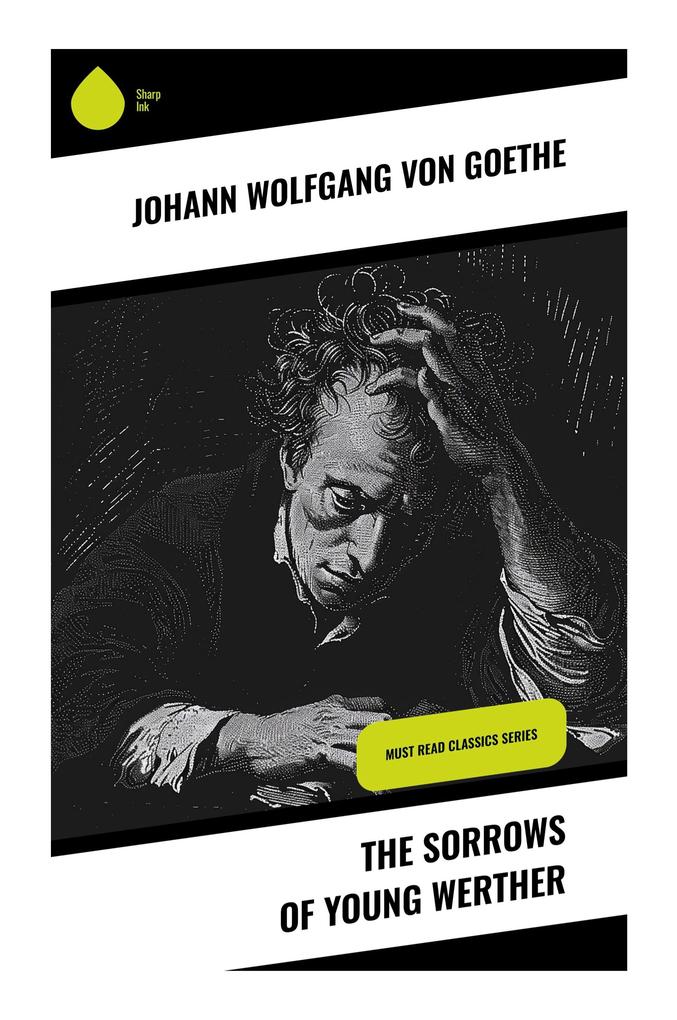
The Sorrows of Young Werther is a seminal epistolary novel charting the emotional and moral disintegration of Werther, a sensitive young artist whose impossible love for the betrothed Lotte becomes an all-consuming passion. Written in urgent, lyrical letters, the novel fuses psychological intimacy with the heightened language of sentiment, making private feeling a matter of philosophical and cultural consequence. Published in 1774, it stands at the heart of the Sturm und Drang movement and helped transform European literature by placing subjective experience, nature, and emotional extremity at the center of narrative art. Johann Wolfgang von Goethe was in his mid-twenties when he wrote the novel, drawing upon his own unfulfilled attachment to Charlotte Buff and the suicide of his acquaintance Karl Wilhelm Jerusalem. These biographical elements were not merely transcribed but artistically transfigured, allowing Goethe to explore the tensions between individual desire, social order, aesthetic sensibility, and spiritual despair. This book is indispensable for readers interested in Romanticism, psychological fiction, and the history of modern subjectivity. Compact yet profound, it remains a powerful meditation on love, imagination, and the perilous grandeur of feeling.