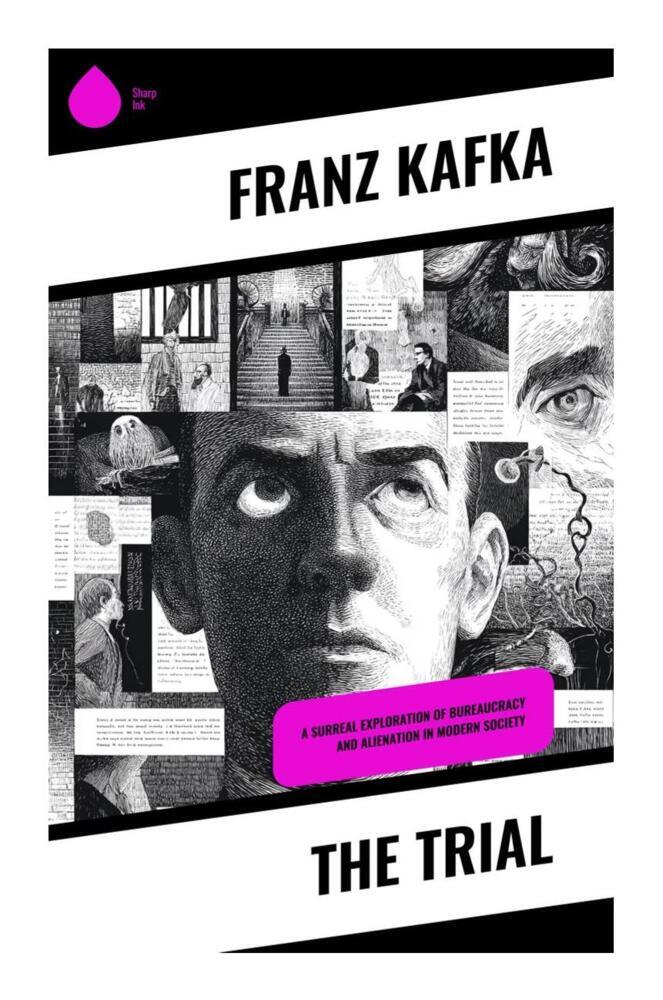
Franz Kafka's The Trial is a haunting modernist parable of guilt, bureaucracy, and metaphysical disorientation. It follows Josef K. , a respectable bank clerk who is arrested without being told the charge against him and drawn into an opaque legal apparatus that seems at once absurdly mundane and terrifyingly absolute. Written in Kafka's characteristically lucid, restrained prose, the novel transforms ordinary rooms, offices, and stairways into spaces of existential menace, standing at the crossroads of expressionism, modernism, and philosophical allegory. Kafka, born in Prague in 1883 to a German-speaking Jewish family, knew intimately the pressures of alienation, officialdom, and paternal authority. His legal training and employment at an insurance institute exposed him to the impersonal language of administration, while his diaries and letters reveal deep anxieties about judgment, failure, and social obligation. These biographical tensions inform the novel's uncanny precision and emotional force. The Trial is essential reading for anyone interested in twentieth-century literature, political anxiety, or the modern condition. Its power lies not in explanation but in recognition: the reader confronts a world where meaning is demanded, withheld, and endlessly deferred.