Readership: Academics and students of international humanitarian law, international criminal law, and international human rights law; legal advisers to governments; military, police and other security forces; legal officers of human rights and humanitarian organizations.
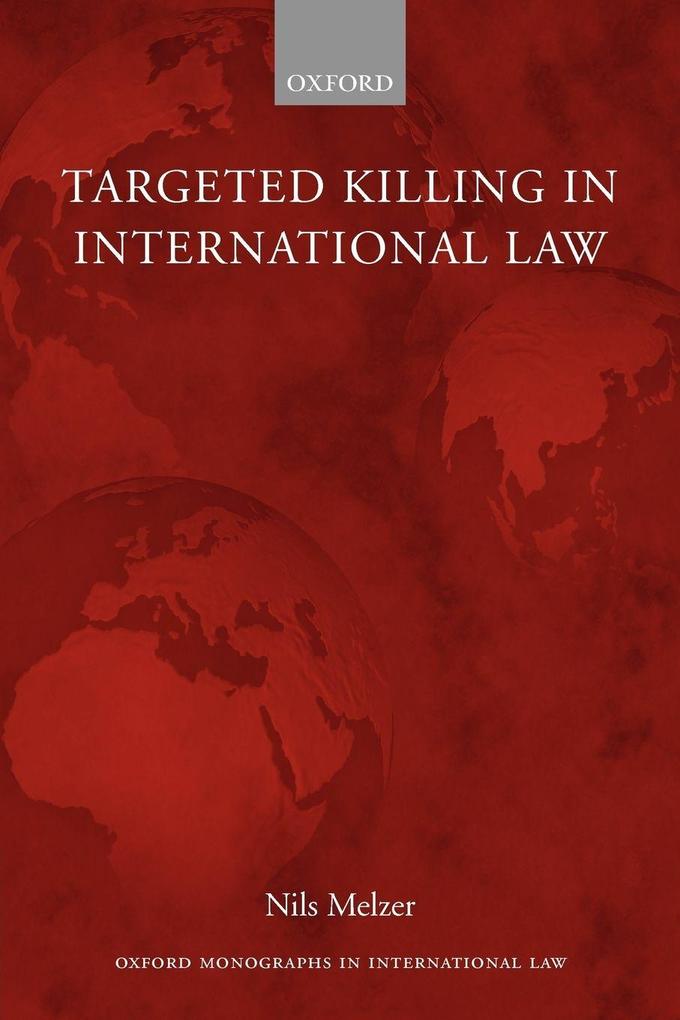
This book examines the international lawfulness of state-sponsored targeted killings in military and police operations. Through an exhaustive analysis of recent state practice and jurisprudence, the book establishes when targeted killing may be considered lawful, and what legal restraints are imposed on the practice in times of war and peace.
Inhaltsverzeichnis
- A. State Practice and Legal Doctrine
- 1: The Notion of 'Targeted Killing'
- 2: Current Trend towards Legitimization
- 3: Targeted Killing in Contemporary Legal Doctrine
- 4: The Analysis
- B. Law Enforcement
- 5: The Paradigm of Law Enforcement
- 6: Law Enforcement and the Conventional Human Right to Life
- 7: Law Enforcement and the Protection of Life under International Humanitarian Law
- 8: Law Enforcement and the Non-Conventional Human Right to Life
- 9: Permissibility of Targeted Killing as a Method of Law Enforcement
- C. Hostilities
- 10: The Paradigm of Hostilities
- 11: The Principle of Distinction under International Humanitarian Law
- 12: Means and Methods in the Conduct of Hostilities
- 13: Human Rights Law and the Paradigm of Hostilities
- 14: Permissibility of Targeted Killing as a Method of Conducting Hostilities
- D. Conclusions
- 15: Comparative Conclusions
- 16: Epilogue: Targeted Killing and the Rule of Law
- Appendix: Selected Case Descriptions