Bücher versandkostenfrei*100 Tage RückgaberechtAbholung in über 100 Filialen







10% Rabatt11 auf Tonieboxen, Figuren & Zubehör mit dem Gutscheincode: TONIE10
Jetzt einlösen
mehr erfahren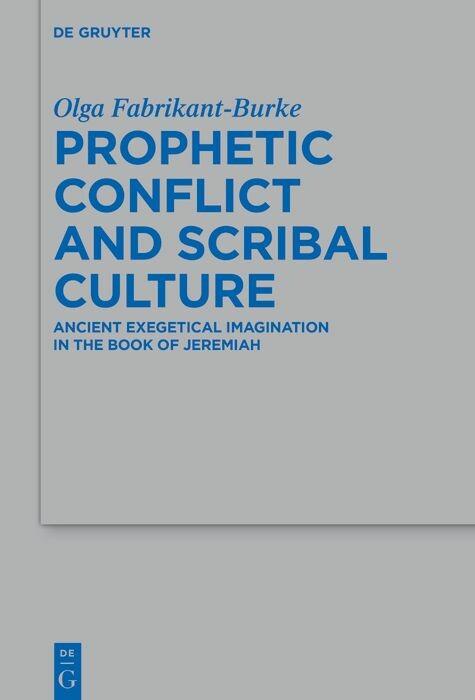
Prophetic conflict, or true and false prophecy, is a classic centerpiece in biblical scholarship. The dominant critical approach has long regarded biblical discourse about prophetic conflict as a reflex of historical socioreligious and ideological conflicts and polemics in ancient Israel. Taking its cue from major developments in the study of the Hebrew Bible-especially inner-biblical interpretation and scribal culture-this book argues that prophetic conflict in the book of Jeremiah is a scribal literary invention.
Jeremiah's prophetic opponents, whose speeches are suffused with inner-biblical allusions, are best understood as exegetical constructs that owe their very existence to the ancient literary imagination. Meticulously designed, these imagined opponents fulfil a strategic exegetical function within the Jeremianic tradition. Prophetic conflict, reassessed through the lens of scribal culture, emerges as a literary vehicle for articulating a scribal grammar, a set of exegetical rules, for interpreting salvation and judgment in the Jeremianic tradition.
The scribal invention of prophetic conflict opens a window onto ancient Israelite literary culture, scribal hermeneutics, harmonization, incipient notions of scriptural coherence, and the formation of the book of Jeremiah.
Es wurden noch keine Bewertungen abgegeben. Schreiben Sie die erste Bewertung zu "Prophetic Conflict and Scribal Culture" und helfen Sie damit anderen bei der Kaufentscheidung.