Inhaltsverzeichnis
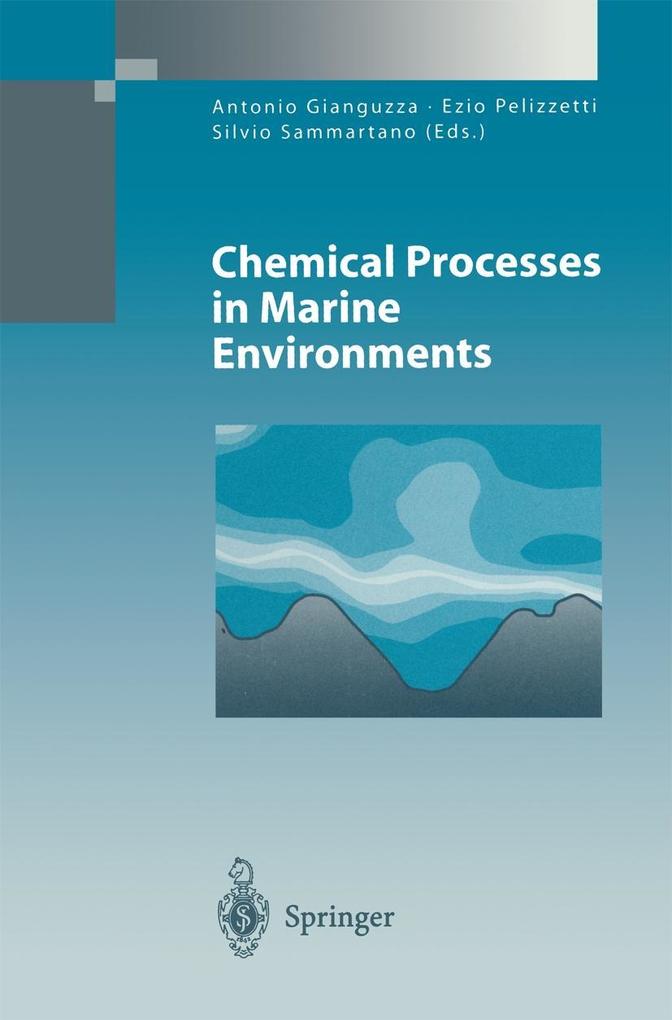
Environmental Analytical Chemistry as a Tool for Studying Chemical Processes in Marine Environments. - 1 The Carbonate System in Marine Environments. - 2 Marine Organic Geochemistry: A General Overview. - 3 Photooxidation of Dissolved Organic Matter: Role for Carbon Bioavailability and for the Penetration Depth of Solar UV-Radiation. - 5 Organic Matter Preservation in the Ocean: Lipid Behavior from Plankton to Sediments. - 6 Organic Chemical Reaction Rates in the Ocean: Molecular Approaches to Studying Extracellular Biochemical Processes. - 7 Vapour-Particle Phase Interactions of Some Selected Persistent Organic Pollutants in the Marine Atmosphere. - 8 Determination of Organic Complexation. - 9 Organic Complexation of Metals in Sea Water. - 10 Occurence, Pathways and Bioaccumulation of Organometallic Compounds in Marine Environments. - 11 Hydrolysis Processes of Organotin(IV) Compounds in Sea Water. - 12 119Sn Mössbauer Spectroscopy Studies on the Interaction of Organotin(IV) Salts and Complexes with Biological Systems and Molecules. - 13 Mercury in Marine Environments. - 14 Occurrence, Formation and Fate of Organoantimony Compounds in Marine and Terrestrial Environments. - 15 Redox Processes of Chromium in Sea Water. - 16 Oceanic DOC Measurements. - 17 Characterization of Marine Toxins by Means of Liquid Chromatography Electrospray Ionization Mass Spectrometry. - 18 Metals Analysis by High Performance Liquid Chromatography. - 19 PIXE Analysis for Trace Elements in Marine Environments. - 20 Potentiometry for the Study of Acid-Base Properties of Sediments. - 21 Chemometrics for Sampling and Analysis: Theory and Environmental Applications. - 22 Chemometric Applications to Seawater Analysis.