Bücher versandkostenfrei*100 Tage Rückgaberecht***Abholung in über 100 Filialen










5 € Rabatt ab 30 € Bestellwert mit Code SPAREN5 oder 10 € Rabatt ab 50 €12 mit Code SPAREN10
Jetzt einlösen
mehr erfahren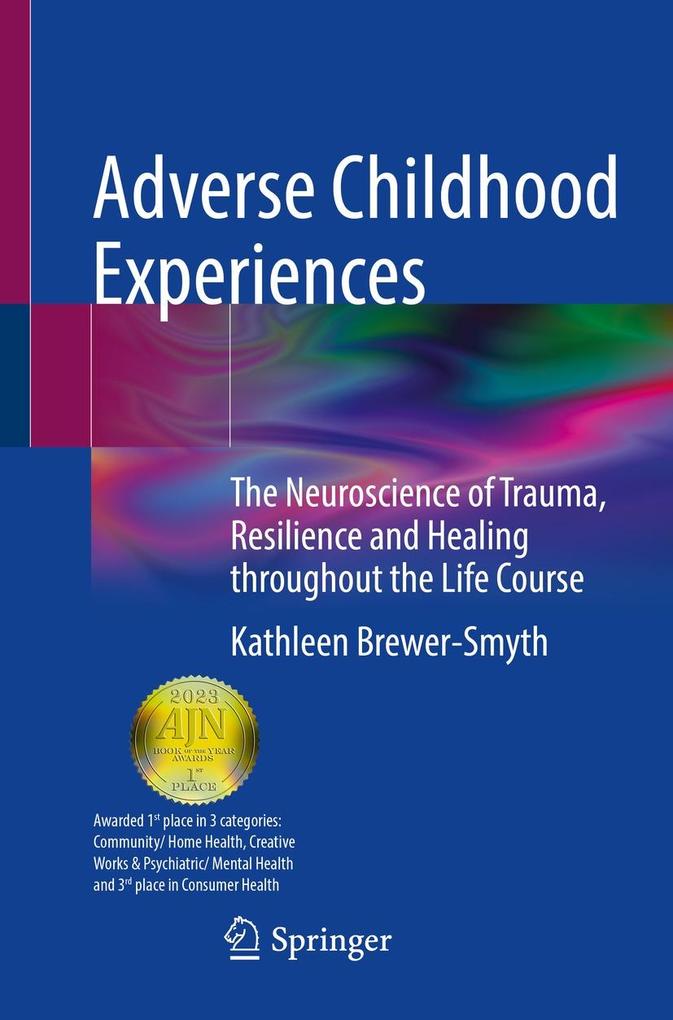
The entire world is in crisis with adverse childhood experiences (ACEs) and other lifetime trauma at an all-time high. This book is a valuable resource to promote optimal brain function for everyone, but especially for survivors of trauma who are particularly at risk throughout the life course. It is critical for healthcare providers, schoolteachers and administration, public safety professionals, foster and adoptive parents, employers and loved ones to understand the potential life-long consequences that ACEs can have in the lives of survivors. This book describes the complexities behind why behaviors occur if hurt people hurt themselves and others.
This book won four American Journal of Nursing (AJN) Book of the Year Awards. It was awarded 1st place in 3 categories (Community/ Home Health, Creative Works, and Psychiatric/ Mental Health) and 3rd place in the Consumer Health category.
Inhaltsverzeichnis
Part I. Overview of Adverse Childhood Experiences. -
1. Introduction, Epidemiology, Measurement and the Cycle of Trauma. -
Part II. The Potential Serious Nature of Adverse Childhood Experiences. -
2. Impact of Adverse Childhood Experiences and Neurodevelopment. - 3. Potential Life-long Neurobiological, Bio-Behavioral and other Outcomes of Trauma. -
Part III. The Potential Impact of Trauma on the Brain, Body, Behavior and Society. -
4. Childhood Physical Abuse (CPA), Childhood Sexual Abuse (CSA), Abusive Traumatic Brain Injury (TBI), Childhood Emotional Abuse (CEA), Neglect and Other Trauma. - 5. Absence of a Healthy Parent: Mental and Physical Illness, Substance Misuse and Trauma in the life of Parents, Caregivers, and Significant Others. - 6. Racial, Ethnic, Gender and Economic Disparities and Trauma. - 7. COVID-19 Trauma: The New Complex Adverse Childhood Experience. -
Part IV. Physiological and Psychological Healing, Trauma-Informed Rehabilitation, Breaking the Cycle of Trauma, and Resilience throughout the Life Course. -
8. Protective, Compensatory and Benevolent Experiences for Building Resilience. - 9. Understanding and Responding to Survivors of Trauma: Emotional Intelligence to Build Healthy Relationships. - 10. Trauma Informed Self-Care: Emotional & Spiritual Resilience and Healing. - 11. Overview of Psychological and Psychiatric Interventions after Trauma: Counseling, Psychotherapy and Medications. - 12. Brain Food: The Impact of Diet, Nutrition and Nutraceuticals on the Brain and the Microbiota-Gut-Brain Axis. - 13. Physical Exercise, Sleep and the Brain. - 14. Self-Help for Life-Long Resilience: Cognitive Engagement, Education, Creativity, Sense of Purpose in Life and Humor. - 15. The Healing Power of Nature on the Brain: Healing in Green Spaces and Blue Spaces. - 16. Primary and Secondary Prevention, Health Equity and Trauma-Informed Institutional and Public Policies to Promote Healing and Resilience.
Es wurden noch keine Bewertungen abgegeben. Schreiben Sie die erste Bewertung zu "Adverse Childhood Experiences" und helfen Sie damit anderen bei der Kaufentscheidung.