Inhaltsverzeichnis
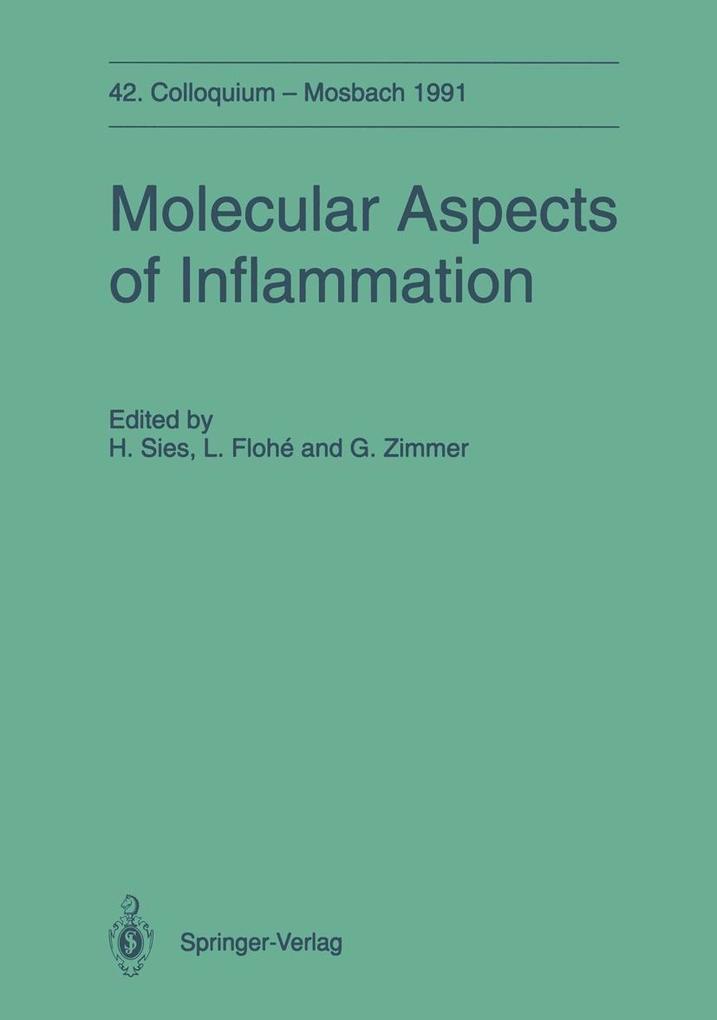
Basic Mechanisms of the Inflammatory Response. - Neutrophils, Interleukin 8, and Related Chemotactic Cytokines. - Leukotrienes and Chemotaxis 5-Lipoxygenase Activation and Control. - The Respiratory Burst Oxidase. - Cellular Activation Mechanisms: The Blood Platelet as a Model. - Platelet-Neutrophil Interactions. - Proteolysis-Induced Pathomeehanisms in Acute Inflammation and Related Therapeutic Approaches. - Complement Activation. - Proteinase-Protein Inhibitor Interaction. - Attenuation of Inflammatory Disease by Reduction of Interleukin-1 Production or Receptor Antagonism. - Interleukin-6, Its Hepatic Receptor and the Acute Phase Response of the Liver. - Transcriptional Control of Liver Acute Phase Genes by Interleukin-6 and Leukemia Inhibitory Factor. - Disturbance of the Hemostasis and Fibrinolysis Balance by Tumor Necrosis Factor. - Cellular Injury by Oxidants. - Endothelium-Derived Relaxing Factor: Nitric Oxide. - Molecular Aspects of the Chemistry and Biology of Endotoxin. - Bacterial Exotoxins and Acute Lung Failure. - Pathophysiological Aspects of Polytrauma, Shock, and Organ Failure. - Leukotrienes, Oxygen Radicals, and Cytokines in Septicemic Mice. - Baboon Model of E. Coli Sepsis: Summary of Staging, Mechanism, and Diagnostic Markers.