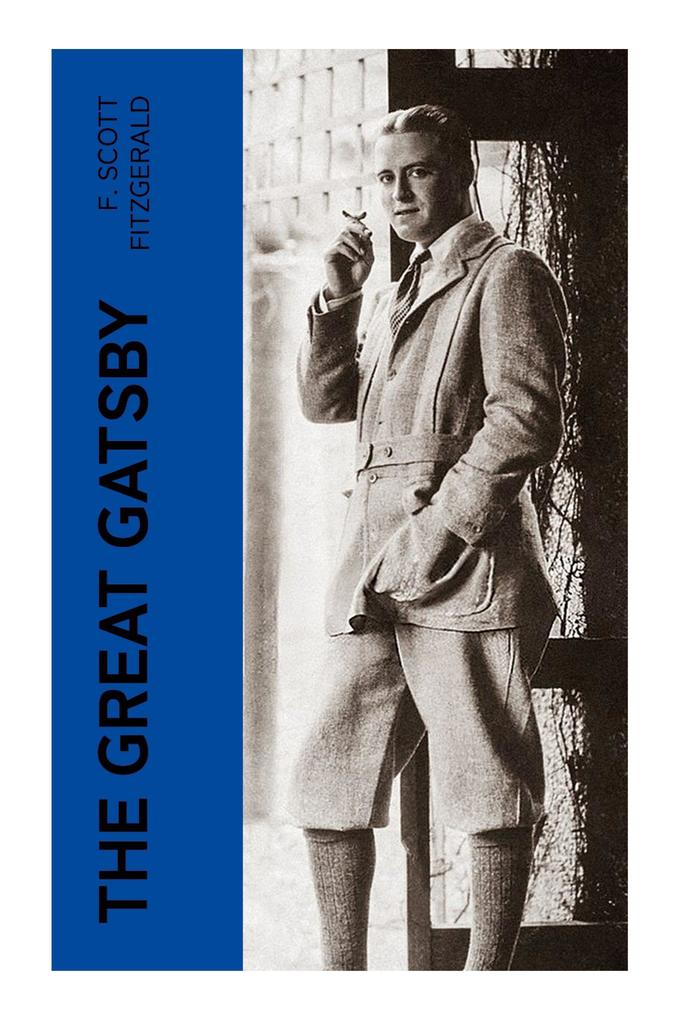
F. Scott Fitzgerald's The Great Gatsby is a compact masterpiece of American modernism, set amid the glittering excess and moral disquiet of the Jazz Age. Through Nick Carraway's poised, retrospective narration, the novel recounts Jay Gatsby's doomed pursuit of Daisy Buchanan and the dream she comes to embody. Its lyrical prose, symbolic architecture, and sharp social observation transform a story of romance and wealth into a critique of illusion, class privilege, and the corrupted promise of America. Fitzgerald wrote from intimate knowledge of the world he anatomized. A chronicler and participant in the 1920s culture of glamour, ambition, and dissipation, he understood both its seductions and its hollowness. His own striving for literary prestige, financial success, and social acceptance informs Gatsby's longing, while his marriage to Zelda Sayre and his fascination with elite society sharpened his sense of desire shaped by status and performance. This novel is essential reading for anyone interested in American literature, modernist narrative, or the enduring mythology of success. Brief yet inexhaustible, The Great Gatsby rewards rereading with its elegance, irony, and tragic insight into the dreams by which individuals-and nations-are undone.