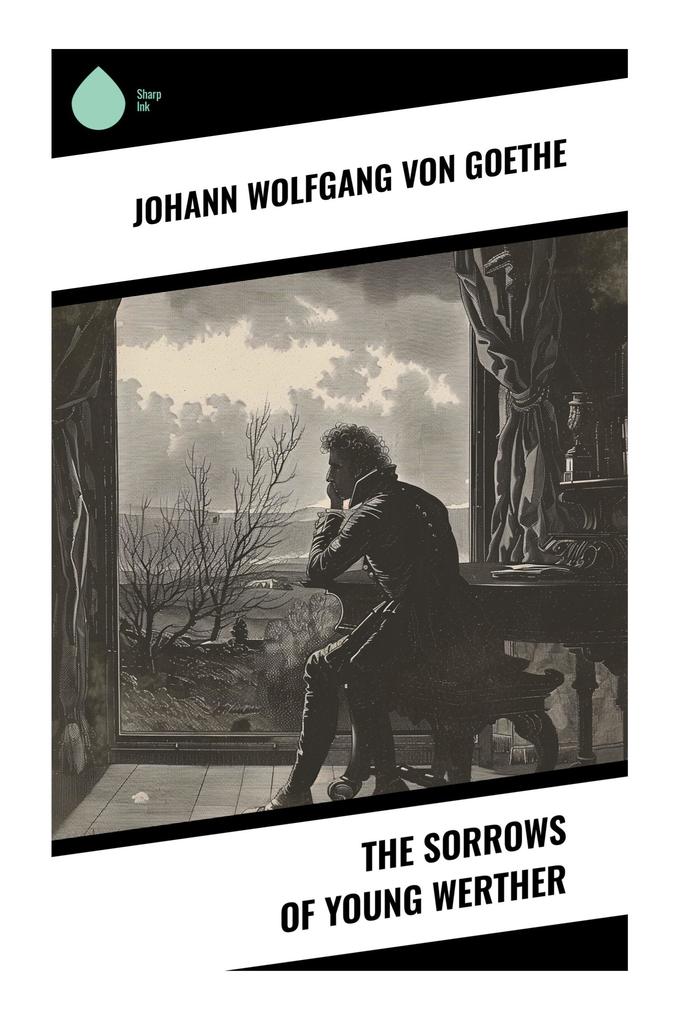
The Sorrows of Young Werther is Goethe's seminal epistolary novel, tracing the emotional intensities of Werther, a sensitive young artist whose idealized love for the engaged Charlotte becomes inseparable from his estrangement from society. Written in letters of lyrical immediacy, the work fuses introspection, natural description, and philosophical melancholy. Published in 1774, it stands at the heart of the Sturm und Drang movement, challenging Enlightenment restraint with a radical portrait of feeling, individuality, and despair. Johann Wolfgang von Goethe, still in his twenties when the novel appeared, drew upon personal experience, including his own unfulfilled attachment to Charlotte Buff and the reported suicide of Karl Wilhelm Jerusalem. These materials were transformed by Goethe's extraordinary psychological insight into a work that made him famous across Europe. The novel anticipates Romanticism while revealing Goethe's early fascination with the conflict between inner genius and social convention. This book is essential for readers interested in European literary history, Romantic subjectivity, and the origins of the modern psychological novel. Though brief, it remains profoundly unsettling and beautiful, rewarding those who seek not merely a love story, but a penetrating study of passion, imagination, and the dangers of absolute feeling.