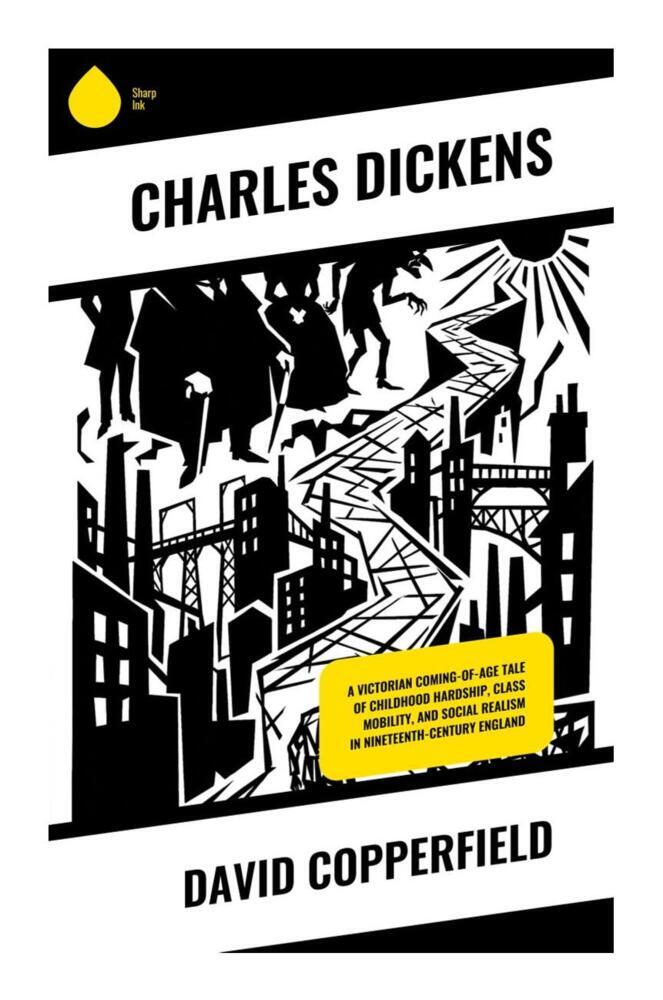
Charles Dickens's David Copperfield is at once a bildungsroman, a social novel, and a deeply introspective first-person narrative tracing its hero from childhood vulnerability to mature self-knowledge. Rich in memorable figures-Mr. Micawber, Uriah Heep, Betsey Trotwood-the novel blends pathos, satire, and comedy while examining class, labor, education, debt, and the moral hazards of Victorian society. Its supple, intimate style gives unusual psychological depth to childhood experience, and its fusion of personal development with broad social observation places it among the defining achievements of nineteenth-century English fiction. Dickens drew on his own life more directly here than in any other major novel. The humiliations of child labor, the instability of family circumstances, and the painful memory of paternal indebtedness all inform David's story. By the time he wrote the novel, Dickens was already a celebrated public figure, yet David Copperfield reveals a more reflective and autobiographical dimension of his art, transforming personal grievance into a larger meditation on resilience, identity, and ethical growth. This is the Dickens to recommend even to hesitant readers: emotionally immediate, narratively compelling, and artistically refined. Anyone interested in Victorian literature, the history of the novel, or the enduring drama of becoming oneself will find David Copperfield both profoundly humane and immensely rewarding.