An exploration of the origins and influences of number from prehistory to modern time
• Reveals the deeper meaning of the symbols and esoteric knowledge of secret societies
• Explains the numerical sophistication of ancient monuments
• Shows how the Templar design for Washington, D.C., represents the New Jerusalem
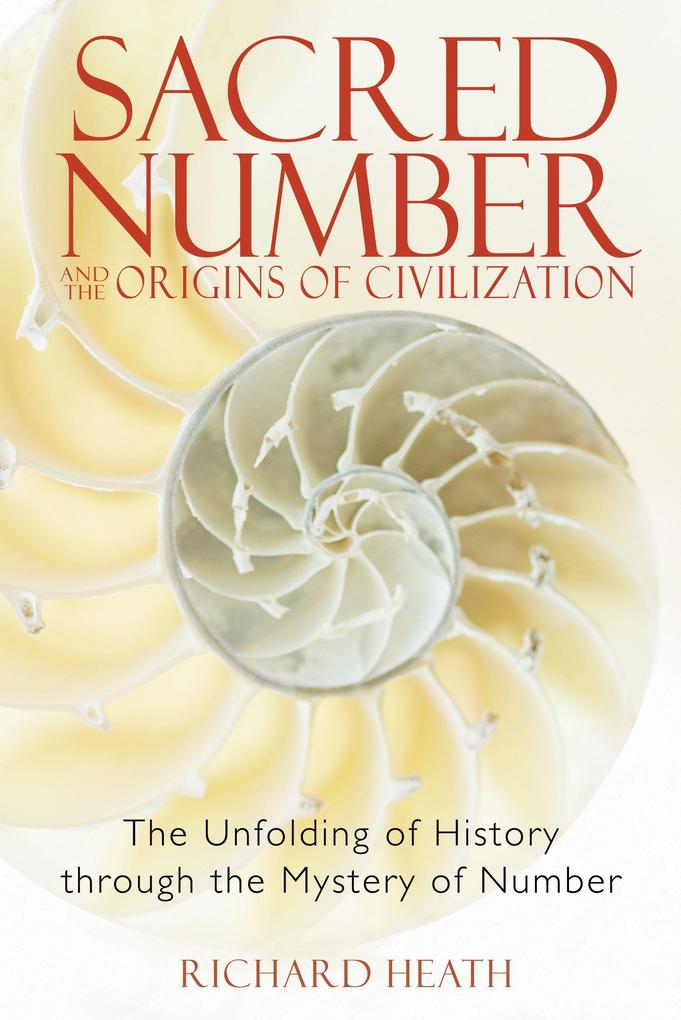
The ubiquitous use of certain sacred numbers and ratios can be found throughout history, influencing everything from art and architecture to the development of religion and secret societies. In Sacred Number and the Origins of Civilization, Richard Heath reveals the origins, widespread influences, and deeper meaning of these synchronous numerical occurrences and how they were left within our planetary environment during the creation of the earth, the moon, and our solar system.
Exploring astronomy, harmony, geomancy, sacred centers, and myth, Heath reveals the secret use of sacred number knowledge in the building of Gothic cathedrals and the important influence of sacred numbers in the founding of modern Western culture. He explains the role secret societies play as a repository for this numerical information and how those who attempt to decode its meaning without understanding the planetary origins of this knowledge are left with contradictory, cryptic, and often deceptive information. By examining prehistoric and monumental cultures through the Dark Ages and later recorded history, Sacred Number and the Origins of Civilization provides a key to understanding the true role and meaning of number.
Inhaltsverzeichnis
Acknowledgments
INTRODUCTION Number and Creation
ONE Numbers from the Sky
TWO The Root of All Measures
THREE The Model of Earth
FOUR Ancient Theme Parks
FIVE Mythic Heroes and Geomantic Technologies
SIX Secret Men from the North
SEVEN Angels of the Transfinite
EIGHT The Temple’s Last Stand
NINE Life, the Universe, and Everything
TEN Building the New Jerusalem
APPENDIX ONE Astrophysical Constants
APPENDIX TWO A Brief Introduction to the Metrology of Neal and Michell
Notes
Index