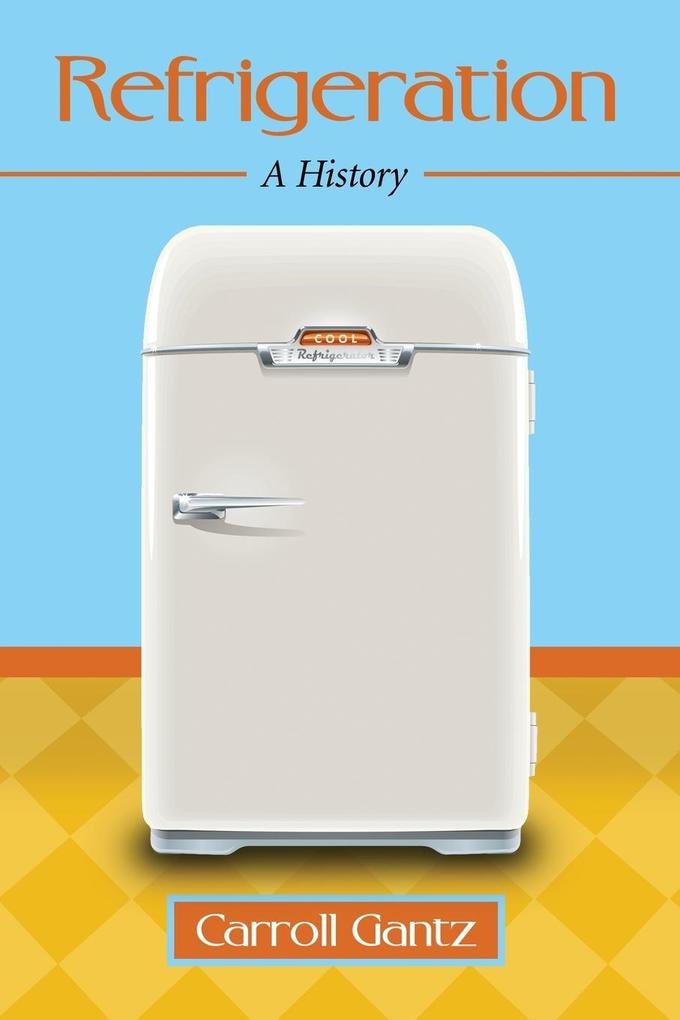
For thousands of years, humans coped with heat by harvesting and storing natural ice and devising natural cooling systems that utilized ventilation and evaporation. By the mid 1800s, people began developing huge refrigeration machines to manufacture ice. By the early 1900s, engineers developed electric domestic refrigerators, which by 1927 were affordable convenient household appliances.
By then, an increasingly sophisticated public demanded more modern-looking appliances than engineers could produce, and a new breed of designers entered the manufacturing world to provide them. During the Depression, modern designs not only increased sales but resulted in the kitchen appliances we now use. Today refrigeration preserves perishable food for worldwide distribution, makes tropical climates habitable for millions, saves lives with medical applications and enables space flight.
Inhaltsverzeichnis
Table of Contents
Acknowledgments
Preface
Introduction
1 Natural Cooling and Ice
2 Mechanically Manufactured Ice
3 Electricity and Invention
4 Early Electric Refrigerators
5 Gas Refrigeration and Air Conditioners
6 The Rise of Fashion and the Depression
7 The Design Decade
8 Postwar Refrigeration
9 Regulations and Climate Change
10 Epilogue: Snow and Ice Redux
Chapter Notes
Bibliography
Index