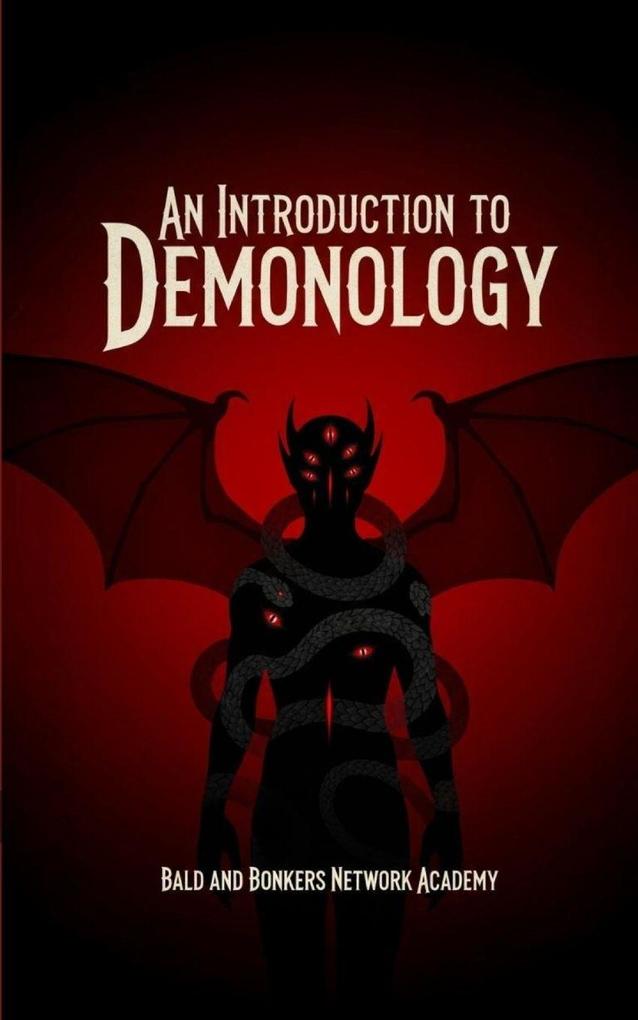
An Introduction to Demonology is a comprehensive, scholarly exploration that meticulously traces the evolution of malevolent spiritual entities-from the primal shadows of prehistory to the systematized doctrines of global religions.
This work illuminates how concepts of evil and the monstrous have served as an essential psychological bridge, transforming humanity's existential fear of chaos and the unknown into organized systems of belief, law, and ritual.
Inside, you will explore:
- The Primordial Shadow: The origins of supernatural malevolence in pre-religious anxieties, cave art, and the universal fear of the wilderness and the night.
- The Early Civilizations: The meticulous cataloging of demons in Ancient Mesopotamia (Lamastu, Pazuzu) and the cosmic struggle between order (Ma'at) and chaos (Apep) in Ancient Egypt.
- The Classical Transition: The shift from elemental forces to morally charged, psychological tormentors like the Erinyes (Furies) and the predatory feminine archetypes of Greece and Rome.
- The Abrahamic Foundations: The complex development of Satan from a functional divine agent (Ha-satan) in the Hebrew Bible to the autonomous cosmic rebel in the New Testament and the influence of Second Temple Judaism's Watchers tradition.
- A Distinct Paradigm: The unique Islamic understanding of the Jinn-beings created from "smokeless fire" with free will-and the role of Iblis in the genesis of rebellion.
- Eastern Traditions: The cosmic opposition and forces of Adharma in Hindu cosmology, detailing the powerful, ambitious Asuras and the primal, chaos-inducing Rakshasas.
This book is a testament to the unyielding intellectual curiosity that drives us to define the undefinable, offering a rigorous look into the fears that have profoundly shaped our laws, our art, and our collective human history. It is an invitation to confront the specters of our shared imagination, confident that knowledge itself is a defense against the dark.