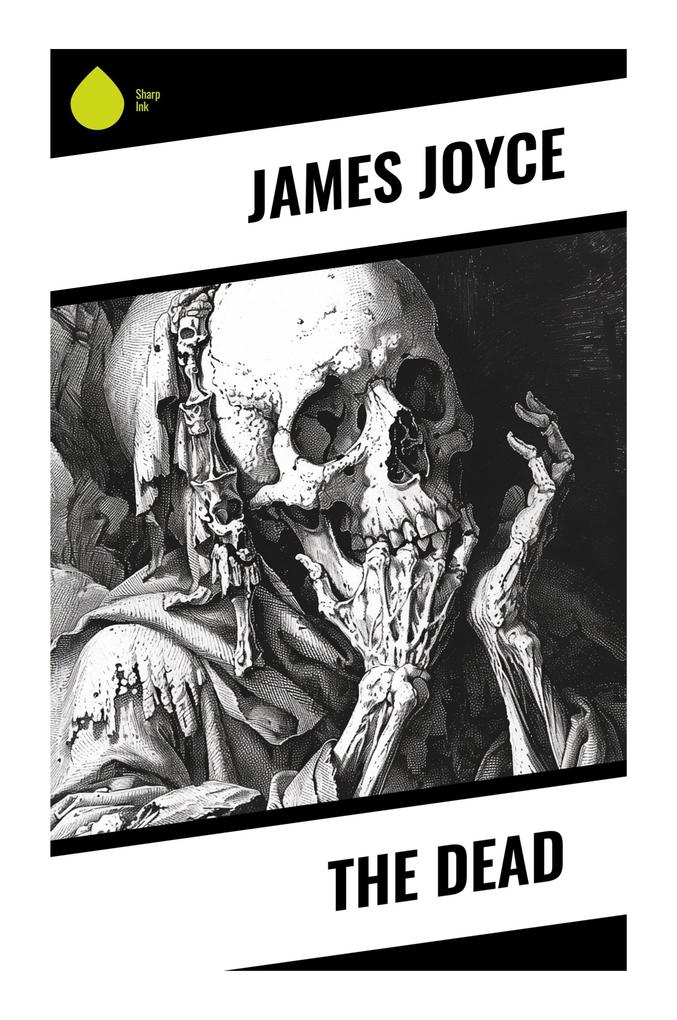
James Joyce's "The Dead," the culminating story of Dubliners, is a masterpiece of modernist short fiction that transforms a genteel Epiphany-night gathering into a profound meditation on memory, marriage, paralysis, and mortality. Written in Joyce's precise, ironic, and quietly musical prose, the story moves from social comedy and minute realism toward one of the most celebrated lyrical endings in English literature. Its famous snowfall gathers private grief and national history into a single image, revealing the spiritual inertia of Dublin while also opening onto compassion and self-knowledge. Joyce, born in Dublin in 1882, wrote Dubliners largely from self-imposed exile, a distance that sharpened both his critique and his tenderness toward Ireland. His Catholic upbringing, classical education, fraught relation to Irish nationalism, and fascination with the constraints of family, religion, and colonial culture all inform "The Dead." Gabriel Conroy's insecurity, cosmopolitan pretensions, and final humbling reflect Joyce's wider concern with how personal identity is shaped-and unsettled-by the claims of the past. Readers seeking a compact yet inexhaustible work should begin here. "The Dead" rewards close reading for its social nuance, symbolic design, emotional restraint, and devastating final vision.