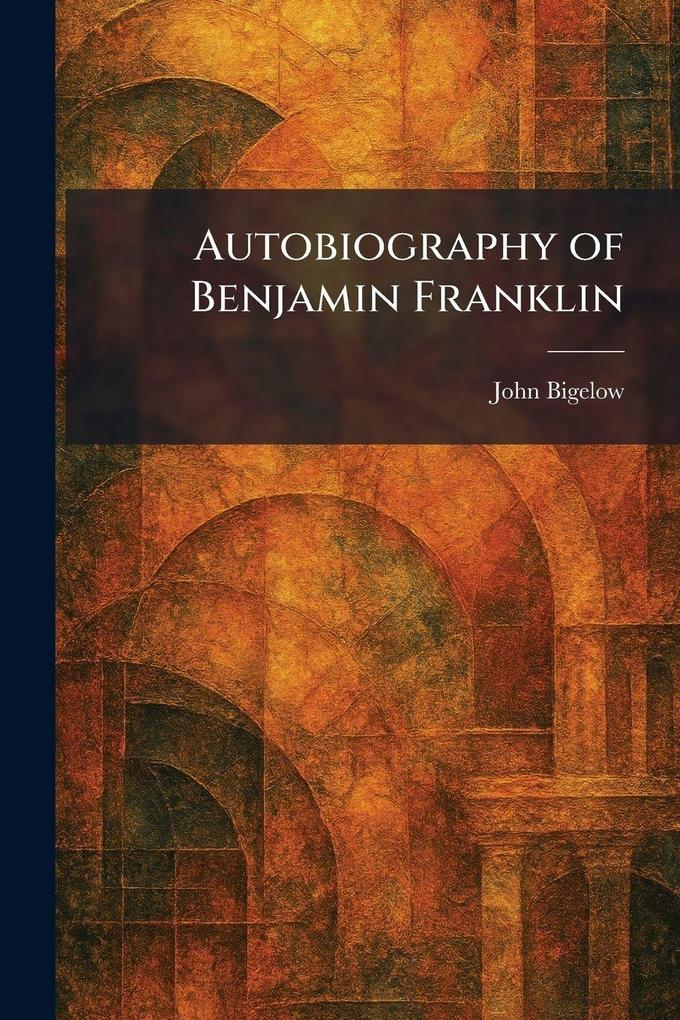
The "Autobiography of Benjamin Franklin" is a foundational work of American literature and an essential record of one of the most influential figures in history. Written by Franklin himself, the memoir details his journey from a humble apprentice in a Boston print shop to a renowned scientist, inventor, and statesman. Through a series of letters and reflections, Franklin outlines his personal philosophy, emphasizing the virtues of industry, frugality, and self-improvement.
The narrative captures the spirit of the American Enlightenment, providing an intimate look at life in colonial Philadelphia and London. Franklin recounts his experiments with electricity, the founding of public institutions like the first subscription library in America, and his early diplomatic efforts. His list of thirteen virtues and the concept of the self-made man are central themes that have resonated with readers for centuries.
More than just a personal history, this work serves as a practical guide for success and civic engagement. Franklin's clear, conversational prose offers timeless wisdom on character building and public service. As a historical document, "Autobiography of Benjamin Franklin" remains a vital cornerstone for understanding the intellectual and moral foundations of the United States.
This work has been selected by scholars as being culturally important, and is part of the knowledge base of civilization as we know it. This work was reproduced from the original artifact, and remains as true to the original work as possible. Therefore, you may see the original copyright references, library stamps (as most of these works have been housed in our most important libraries around the world), and other notations in the work.
This work is in the public domain in the United States of America, and possibly other nations. Within the United States, you may freely copy and distribute this work, as no entity (individual or corporate) has a copyright on the body of the work.
As a reproduction of a historical artifact, this work may contain missing or blurred pages, poor pictures, errant marks, etc. Scholars believe, and we concur, that this work is important enough to be preserved, reproduced, and made generally available to the public. We appreciate your support of the preservation process, and thank you for being an important part of keeping this knowledge alive and relevant.