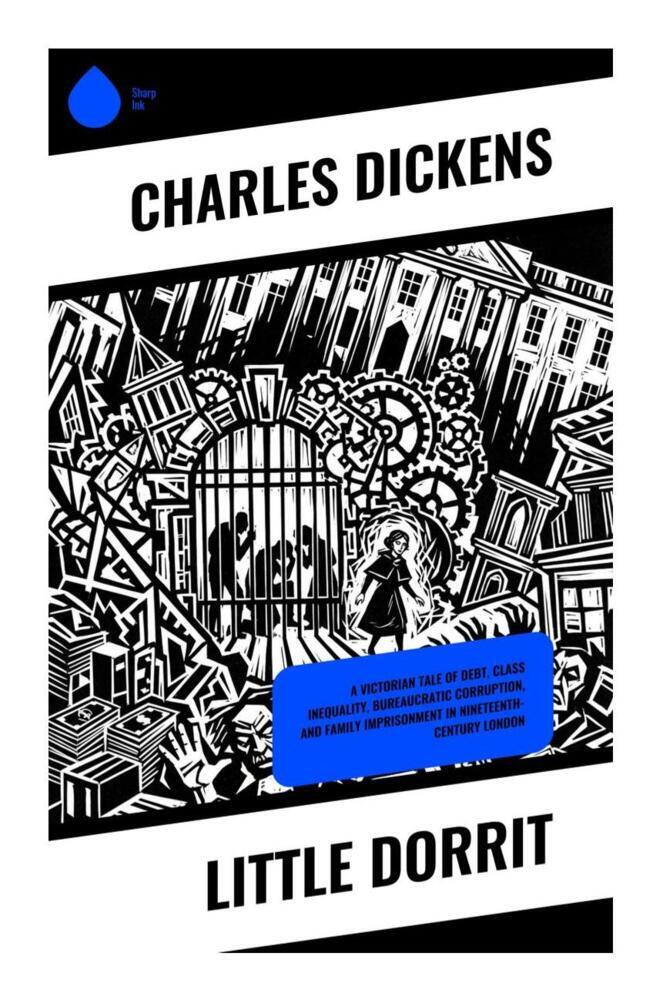
In Little Dorrit, Charles Dickens fashions a vast social panorama from the confines of the Marshalsea debtors' prison, where Amy Dorrit's quiet endurance illuminates a world corroded by money, bureaucracy, and class illusion. At once domestic novel, social satire, and psychological study, the book moves between prison, drawing room, and the labyrinthine Circumlocution Office to expose Victorian England's institutional cruelty and moral evasions. Dickens's mature style-rich in caricature, symbolic patterning, and sharply orchestrated contrasts-combines comic exuberance with somber critique, making this one of his most structurally intricate and thematically unified works. By the time he wrote Little Dorrit (1855-57), Dickens was an established novelist deeply preoccupied with poverty, imprisonment, and systemic injustice. His own childhood trauma, especially his father's confinement for debt in the Marshalsea, lends the novel unusual emotional authority. That biographical wound, joined to his sustained criticism of governmental inefficiency and social hypocrisy, helps explain the book's fierce sympathy for the vulnerable and its penetrating analysis of how institutions deform private lives. This is a profoundly rewarding novel for readers interested in Dickens at his darkest and most humane. Little Dorrit offers memorable characters, moral seriousness, and a searching diagnosis of Victorian society that still feels disturbingly modern.