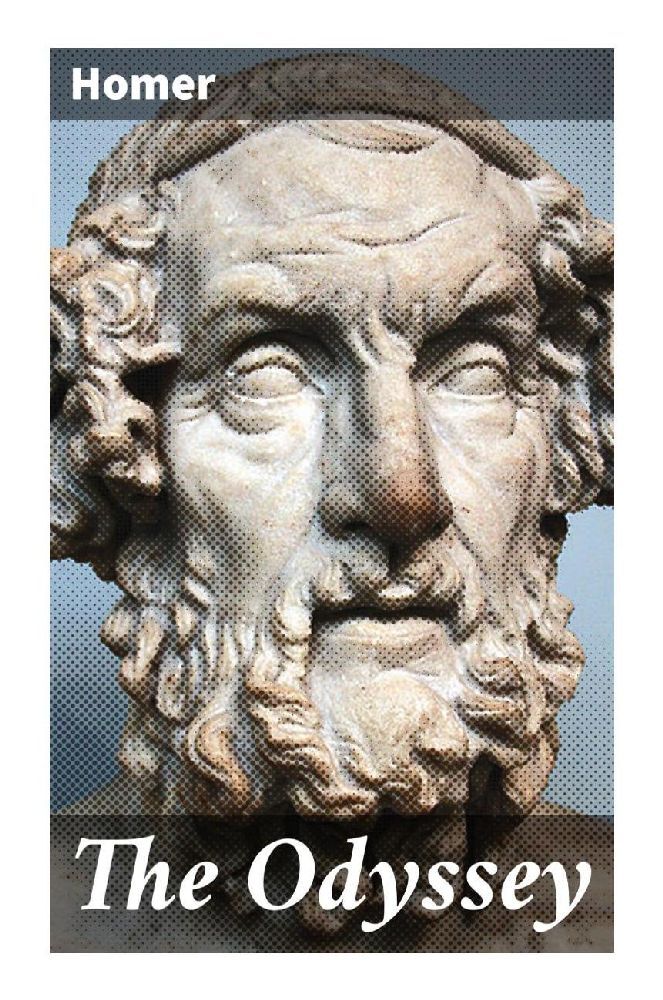
The Odyssey recounts the arduous return of Odysseus from Troy to Ithaca, weaving maritime adventure, domestic suspense, and divine intrigue into a meditation on identity, endurance, and homecoming. Composed in elevated dactylic hexameter and shaped by oral-formulaic technique, it balances heroic grandeur with intimate psychological insight. Within the archaic Greek epic tradition, it complements the martial world of the Iliad by turning from battlefield glory to the trials of memory, hospitality, disguise, and reintegration. Homer, the legendary poet traditionally credited with both great Greek epics, remains an elusive figure, perhaps representing not a single author but a culmination of generations of oral singers. The poem's concern with wandering, guest-friendship, seafaring peril, and aristocratic household order reflects the social and imaginative world of early Greece, where myth preserved communal values and explored the fragile relation between human cunning and divine power. This book is essential for readers interested in the foundations of Western literature, narrative art, and moral imagination. Its monsters and marvels are unforgettable, but its deepest power lies in its searching portrait of longing, loyalty, and the difficult labor of becoming oneself again.