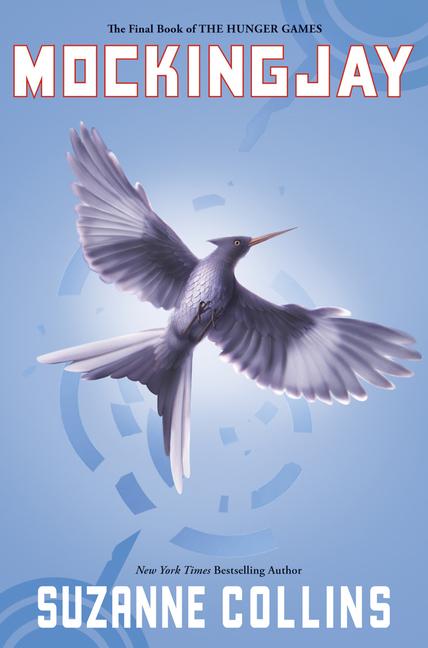
After the events of the Quarter Quell, Panem is on the brink of full-scale war. Katniss finds herself in District 13, no longer just a survivor, but the symbol of a rebellion that is spreading rapidly through the districts. As the Mockingjay, she is expected to inspire hope, unite the people, and stand against the Capitol. But the reality of war is far more complex and devastating than she ever imagined. Faced with loss, trauma, and impossible choices, Katniss must confront what freedom truly costs.
In this final book, the focus shifts from the survival in the arena to the brutal realities of war and its emotional consequences. The world of Panem feels more raw and grounded than ever, as we see the long-term effects of oppression, violence, and propaganda on individuals as well as the entire society. Katniss remains a compelling and deeply human protagonist. Her strength is still present, but it is accompanied by exhaustion, grief, and doubt, which makes her journey feel painfully realistic. Rather than portraying her as a flawless hero, the story allows her to struggle, break, and question everything she is fighting for. The supporting characters also play an important role in shaping the emotional weight of the story. Relationships are tested, alliances shift, and not every loss can be undone. The pacing is slower at times compared to the previous books, but this allows the themes of trauma, sacrifice, and the difficult choices of war to fully unfold. The conclusion is powerful and bittersweet, offering closure without pretending that the cost of war can ever be forgotten.
A dark, emotional, and thought-provoking finale that completes the trilogy in a realistic and impactful way, leaving a lasting impression long after the final page.