Bücher versandkostenfrei*100 Tage RückgaberechtAbholung in über 100 Filialen












Bald ist Valentinstag: 15% Rabatt11 auf viele Sortimente mit dem Code HERZ15
Jetzt einlösen
mehr erfahren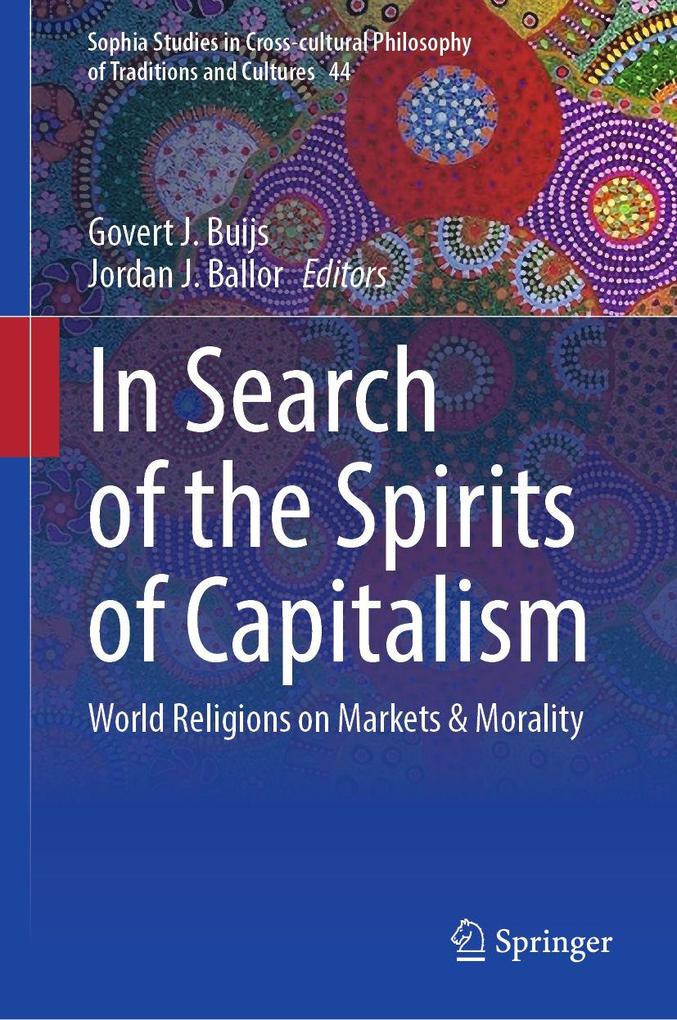
In this book, researchers of and representatives from various world religions contribute to the scholarship on the moral justification and future orientation of today s capitalism. The book is inspired by the sociologist Max Weber, who initiated an impressive research project on the Economic Ethics of the World Religions , discussing Christianity, Confucianism, Hinduism, Buddhism, Judaism and Islam. In this volume, the authors ask what from within the perspective of these religions themselves would be said today about capitalism in free markets. This text appeals to students and researchers working and interested in questions related to culture & economy, comparative religion and the economics of religion.
Inhaltsverzeichnis
Es wurden noch keine Bewertungen abgegeben. Schreiben Sie die erste Bewertung zu "In Search of the Spirits of Capitalism" und helfen Sie damit anderen bei der Kaufentscheidung.
