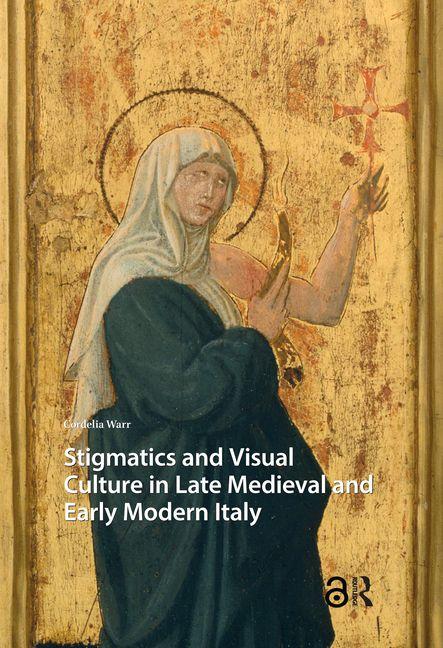
This book places the discourse surrounding stigmata within the visual culture of the late medieval and early modern periods, with a particular focus on Italy and on female stigmatics. Echoing, and to a certain extent recreating, the wounds and pain inflicted on Christ during his passion, stigmata stimulated controversy. Related to this were issues that were deeply rooted in contemporary visual culture such as how stigmata were described and performed and whether, or how, it was legitimate to represent stigmata in visual art. Because of the contested nature of stigmata and because stigmata did not always manifest in the same form - sometimes invisible, sometimes visible only periodically, sometimes miraculous, and sometimes self-inflicted - they provoked complex questions and reflections relating to the nature and purpose of visual representation.
Inhaltsverzeichnis
Acknowledgements, List of illustrations, 1. Introduction: Stigmata and Visual Culture, 2. Saint Francis of Assisi as Image, 3. Representing the Invisible: Saint Catherine of Siena's Stigmatization, 4. The Stigmatic Spectrum and the Visual Arts, 5.Gregorio Lombardelli, Invisibility, and the Representation of Saint Catherine of Siena's Stigmata, 6. Performing stigmata, 7. Painting, Printing, Sculpting, Forgery (and Washing), 8. Conclusion: The Timidity of the Visual Arts, Bibliography, Index