A BARACK OBAMA, NEW SCIENTIST AND NPR PICK
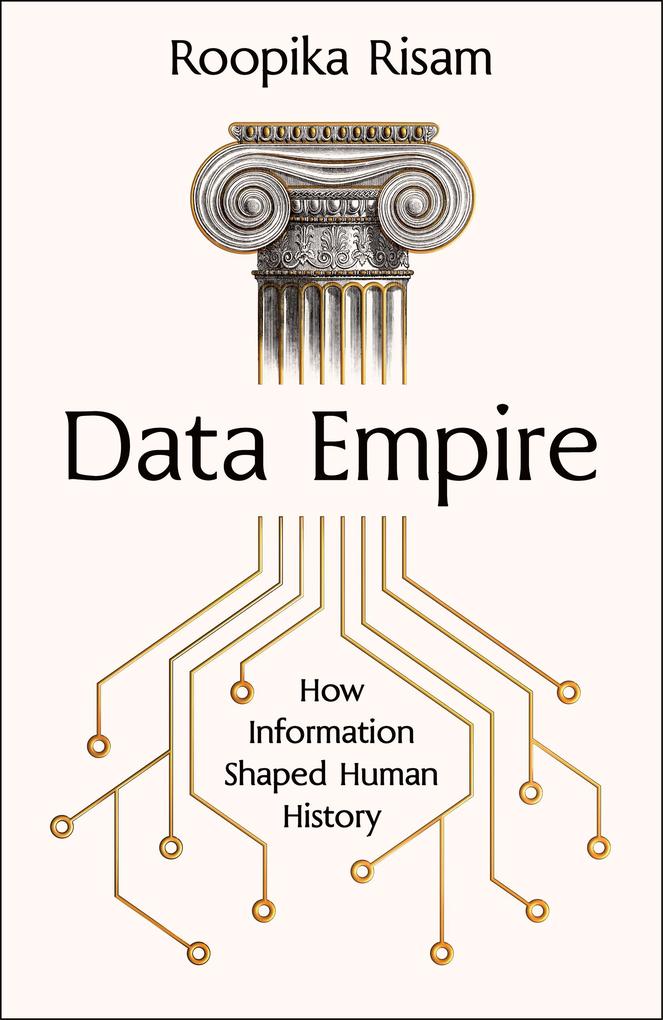
Data shaped empires. Now it's shaping our future. A groundbreaking 11,000 year global history from clay tablets to the algorithmic state, perfect for readers of Nexus and The Age of Surveillance Capitalism.
'The new history of mankind demanded by our times' Jaron Lanier, author of Ten Arguments for Deleting Your Social Media Right Now
'Breathtaking in its scope and enormously fulfilling in its depth' Lewis Dartnell, author of Being Human
From targeted advertising to mass surveillance, data shapes the course of our lives. How did it gain the power it now holds over us?
Since the dawn of civilization, people gained power by keeping count. From ancient censuses to maps and ledgers, data decided who belonged, who owed, and who could be sacrificed. Today, a handful of private brokers increasingly define what we see and what is real.
Provocative, humane and sweeping in scope, Data Empire challenges us to decide whether we will allow a new set of data empires to hardwire inequality into the next century, or fight for the benefit of all. It's time to decide. Will technology serve democracy or replace it?
'Essential reading for understanding the opportunities and dangers of the technological revolution now transforming our world' Jonathan Kennedy, author of Pathogenesis
'This brilliant, readable book offers a striking new historical perspective' Corinne Fowler, author of Our Island Stories