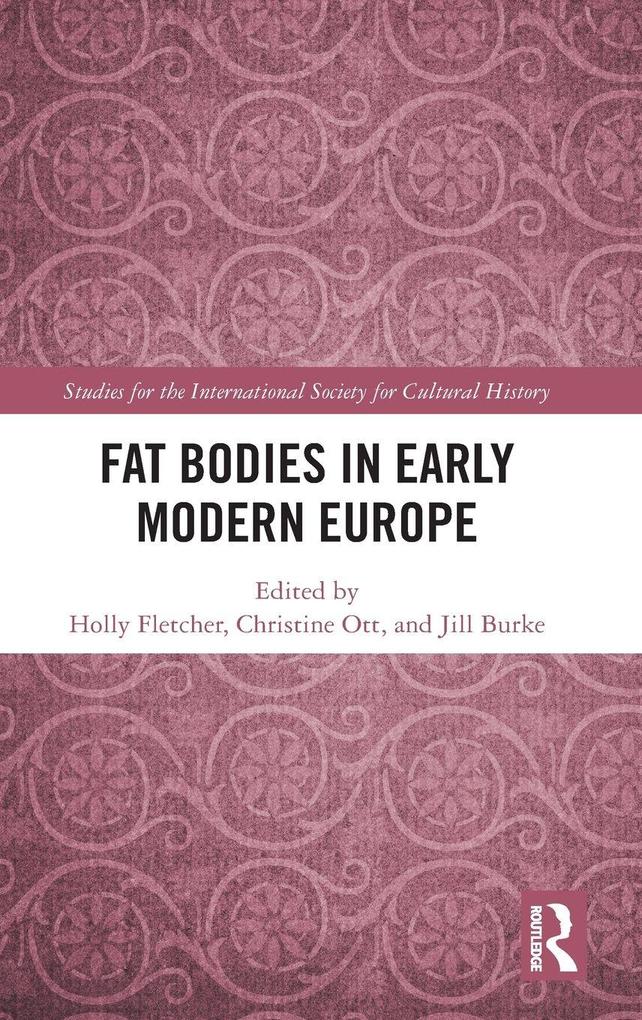
This book is the first to examine understandings and experiences of fatness in early modern Europe (c. 1450-1700), uncovering attitudes towards fat bodies across England, France, Germany, Italy, and Spain through interdisciplinary analysis.
Readers will gain a comprehensive understanding of how early modern Europeans perceived and experienced fat bodies through historically specific contexts rather than modern assumptions. The book delivers this through interdisciplinary scholarship combining history, art history, and literary studies to analyse sources across five major European regions. This approach reveals both continuities and contradictions in attitudes towards corpulence, examining medical, artistic, and literary perspectives within their proper historical frameworks. By considering early modern experiences on their own terms and relating them to period-specific conceptions of embodiment, readers will develop nuanced appreciation for how fatness was understood before modern medical and social constructs emerged.
This book is written for students and scholars of the early modern period, particularly those studying European history, cultural history, and the history of the body. It will also appeal to researchers in fat studies seeking historical perspectives and non-specialists interested in historical attitudes towards bodies and embodiment.
Inhaltsverzeichnis
Introduction: Fat Bodies in Early Modern Europe Part I: Fatness, Health and Community 1. 'No Age Did Ever Afford More Instances of Corpulency': Obesity as a Collective Condition and the Early Modern Medicalization of Girth 2. Fatness and Fertility: Childbearing and the Size of Women's Bodies in Early Modern Germany Part II: Cultural Hierarchies 3. The Fat Female Body in Angelo Beolco's Anti-Classicist Literary Portraits 4. Silenus, as a Vase: The Fat Man's Body at the School of Fontainebleau (c.1530-c.1570) 5. Laughter, Guilt, Anxiety: Dealing with Fat Animals in Early Modern Europe Part III: Shifting Meanings 6. Heavy Debates: Weighing Fatness in a Spanish Renaissance Dialogue 7. How to Fragment a Perfect Microcosm: The Sphere as the Shape of Fat Bodies in Shakespeare's Comedy of Errors and Cyrano's 'Contre un gros homme' 8. Robust Hero/Fat Fool: Early Modern Fat Stereotypes in the Portrait of Alessandro dal Borro