Bücher versandkostenfrei*100 Tage RückgaberechtAbholung in über 100 Filialen
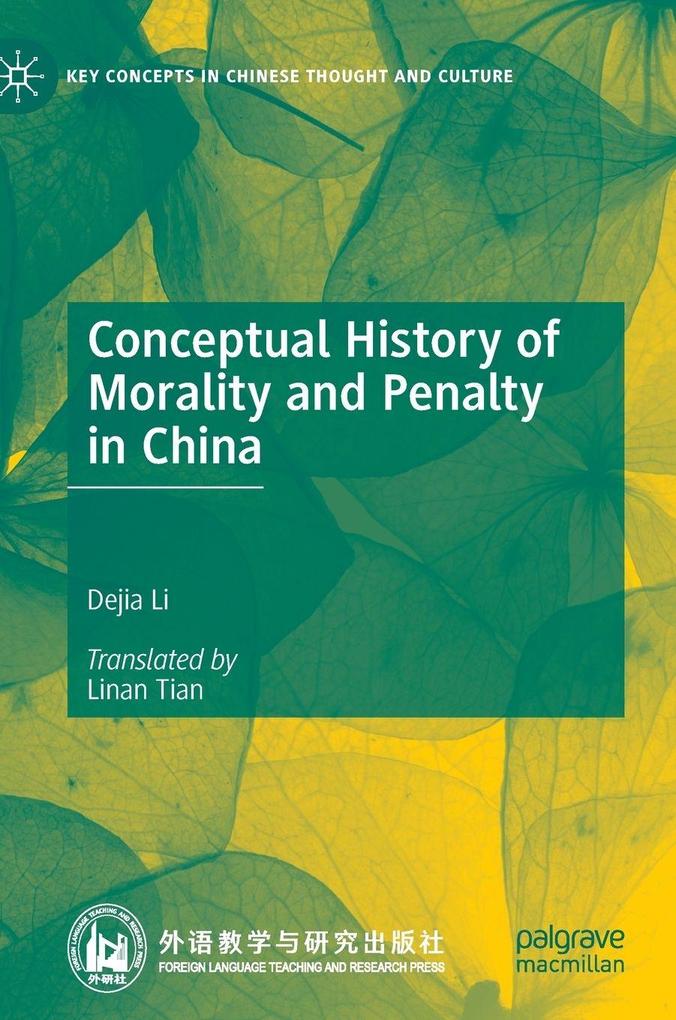
This book challenges the long-prevailing interpretation of China s legal tradition as virtue given priority over penalty, arguing that this proposition is a projection of modern Western rule-of-law discourse and fails to accurately reveal the structure of traditional Chinese legal thought. The author introduces the concept of virtue as foundation, penalty as function framing virtue as the bedrock of ruling legitimacy, moral education, and social self-governance, while penalty serves as a necessary tool for upholding order. It offers a novel theoretical framework for scholars and interested readers worldwide to re-examine China s legal heritage and its embedded governance wisdom.
Inhaltsverzeichnis
Chapter 1: De(Virtue) and Xing(Penalty): Interpretationof the Two Ancient Concepts. - Chapter 2: Clarification of De(virtue) and Xing(penalty) in Confucianism. - Chapter 3: Neither Rule of Virtue nor Rule of Law: The Governance Model of Traditional China. - Chapter 4: Virtue Given Priority over Punishment: A Modern Misconception? . - Chapter 5: A Sino-Western Comparison of the Relationship Between Virtue and Law.
Es wurden noch keine Bewertungen abgegeben. Schreiben Sie die erste Bewertung zu "Conceptual History of Morality and Penalty in China" und helfen Sie damit anderen bei der Kaufentscheidung.