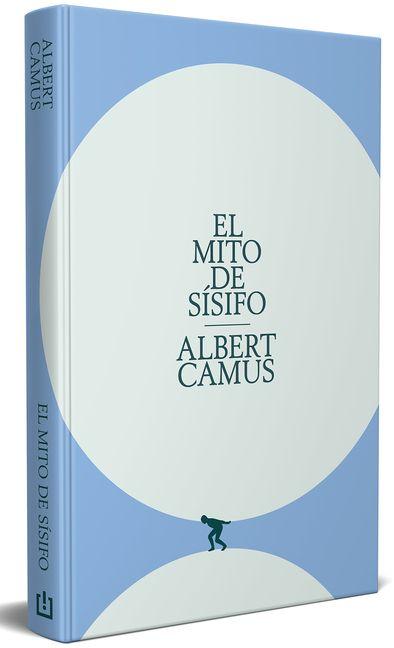
Â'No hay sino un problema filosÃ3fico realmente serio: el suicidioÂ'.El mito de SÃ-sifo es el ensayo fundacional de la filosofÃ-a del absurdo, una obra mayðscula que dio a conocer el gran talento de Albert Camus. Publicada en 1942, el mismo año que El extranjero, fue una de las primeras obras que revelaron al pðblico la inteligencia y la sensibilidad del autor.
El tÃ-tulo del ensayo hace referencia a un personaje de la mitologÃ-a griega que enfadÃ3 a los dioses por su extraordinaria astucia y fue condenado a empujar perpetuamente una piedra enorme montaña arriba. Al llegar a la cima, la piedra volvÃ-a a caer hasta el valle, desde donde SÃ-sifo debÃ-a volver a empujarla hasta la cumbre, y asÃ- eternamente. Por medio de esta alegorÃ-a, Camus discute la cuestiÃ3n del suicidio y el valor de la vida, presentando a SÃ-sifo como imagen del esfuerzo inðtil e incesante del hombre. De este modo plantea la filosofÃ-a del absurdo, segðn la cual nuestras vidas son insignificantes y no tienen màs valor que el de lo que creamos. Siendo el mundo tan fðtil, pregunta Camus, ¿quÃ(c) alternativa hay al suicidio?
ENGLISH DESCRIPTION
â oeThere is only one truly serious philosophical problem: suicide.â
The Myth of Sisyphus is the foundational essay of the philosophy of the absurd, a major work that revealed the great talent of Albert Camus. Published in 1942, the same year as The Stranger, it was one of the first works to reveal the authorâ (TM)s intelligence and sensitivity to the public.
The title of the essay refers to a character from Greek mythology who angered the gods with his extraordinary cunning and was condemned to perpetually push a huge stone up a mountain. Upon reaching the summit, the stone would roll back down into the valley, from where Sisyphus would have to push it back up to the top, and so on forever. Through this allegory, Camus discusses the question of suicide and the value of life, presenting Sisyphus as an image of manâ (TM)s futile and incessant effort. In this way, he proposes the philosophy of the absurd, according to which our lives are meaningless and have no value other than that which we create. With the world being so futile, Camus asks, what alternative is there to suicide?