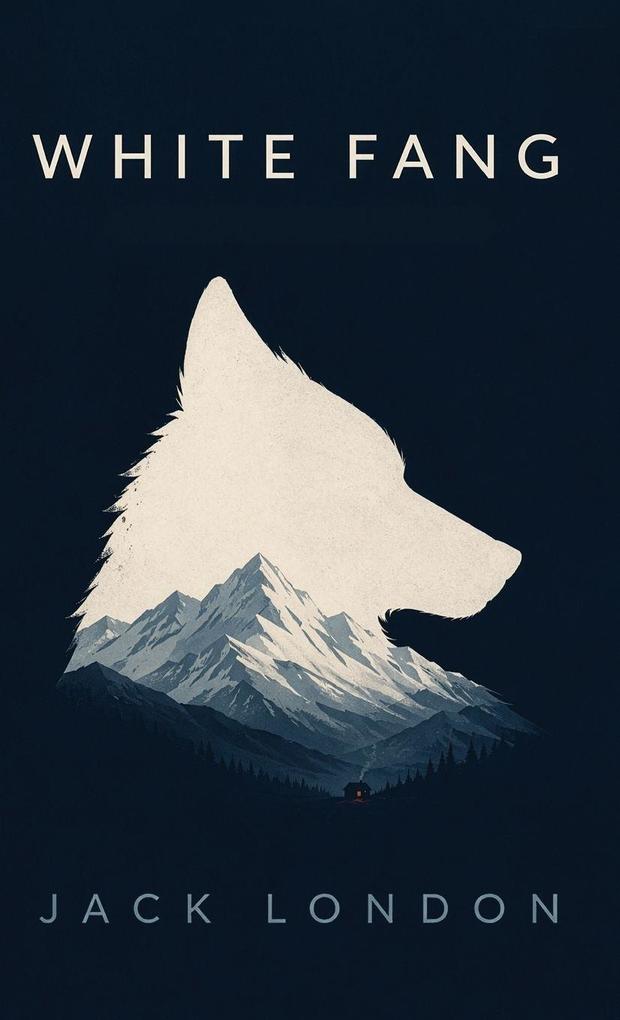
From the frozen wilderness of the Yukon to an unexpected life among humans, White Fang is Jack London's unforgettable story of survival, cruelty, trust, and transformation.
Born in the wild during the harsh days of the Klondike Gold Rush, White Fang is part wolf, part dog, and entirely shaped by the unforgiving world around him. Hunger teaches him to fight. The wilderness teaches him caution. And when he encounters humans, he discovers creatures capable of both terrible cruelty and extraordinary kindness.
As White Fang passes from the freedom of the wild into the hands of men, his strength and intelligence allow him to survive increasingly brutal circumstances. Mistreated and forced to fight, he learns to meet violence with violence and distrust with hostility. But an encounter with a compassionate man offers him something he has scarcely known before: patience, affection, and the possibility of belonging.
First published in 1906, White Fang is both a thrilling adventure and a powerful examination of the forces that shape character. Jack London reverses the journey portrayed in The Call of the Wild, following an animal from wilderness toward domestication while exploring the complicated boundary between instinct and learned behavior. Through White Fang's experiences, London examines survival, adaptation, cruelty, loyalty, and the profound influence of environment on both animals and human beings.
Set against the snow-covered landscapes of the Canadian North, the novel captures the beauty and brutality of a world in which survival can depend upon strength, intelligence, and the ability to change. London's vivid descriptions and unusual animal perspective give the story an immediacy that has captivated generations of readers.
More than a century after its publication, White Fang remains one of the great classics of adventure literature-a gripping story of an extraordinary animal who learns that a world capable of cruelty can also offer trust, companionship, and love.