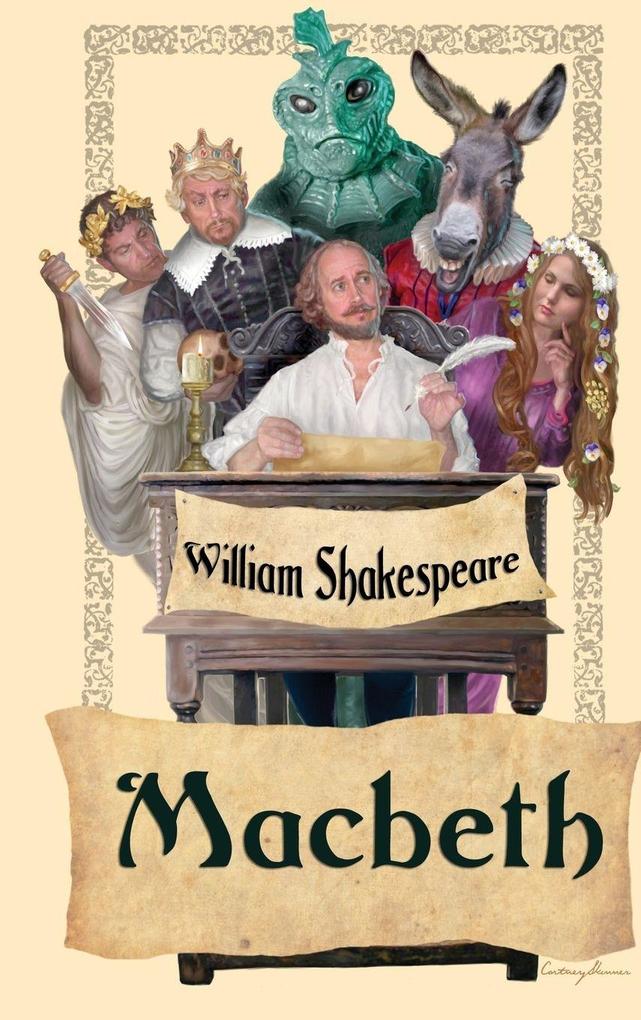
A victorious general hears a prophecy that he will become king-and chooses murder as the quickest path to the throne.
After defeating the enemies of Scotland, Macbeth and Banquo encounter three mysterious witches who predict that Macbeth will rise in rank and eventually become king. When part of the prophecy is almost immediately fulfilled, ambition takes hold. Encouraged by Lady Macbeth, he murders King Duncan while the king is a guest in his castle and seizes the crown. The crime gives Macbeth power, but it also leaves him consumed by fear, suspicion, and guilt.
Determined to protect what he has stolen, Macbeth orders further acts of violence against friends, rivals, and innocent families. Banquo's ghost haunts his feast, Lady Macbeth begins to collapse beneath the weight of their crimes, and Scotland suffers under a ruler increasingly dependent on bloodshed and misleading supernatural promises. The witches' later prophecies appear to guarantee Macbeth's safety, but their words conceal truths he does not understand until rebellion has gathered against him.
First performed in the early seventeenth century, Macbeth is one of Shakespeare's shortest, darkest, and most frequently performed tragedies. Its witches, apparitions, murders, battles, and psychological horrors create an atmosphere of relentless dread, while its exploration of ambition, conscience, fate, masculinity, and political power remains sharply relevant. The play is essential reading for students, performers, teachers, and readers of classic drama, Gothic literature, and tragic stories of moral collapse.