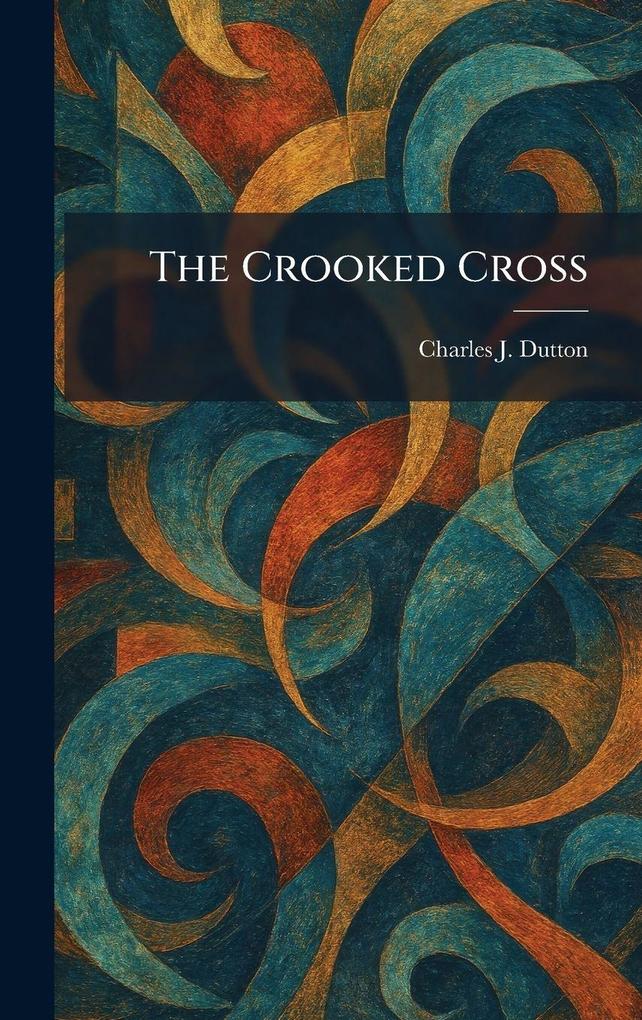
"The Crooked Cross" is a compelling classic mystery featuring the analytical Harley Manners, a professor of psychiatry and renowned criminologist. Set in the 1920s, the narrative explores a complex web of crime and intrigue triggered by a baffling murder. As the investigation unfolds, Manners must use his expertise in human behavior to decipher the meaning behind the cryptic symbol of the crooked cross and unmask a clever killer.
Charles J. Dutton delivers a suspenseful plot that blends traditional detective work with early psychological profiling, a hallmark of his Manners series. The story delves into the dark motives hidden beneath the surface of respectable society, challenging the reader to solve an intricate puzzle alongside the protagonist. Rich in atmosphere and period detail, "The Crooked Cross" stands as a significant work of early twentieth-century detective fiction, offering a sophisticated look at the evolution of the amateur sleuth genre. It is an essential read for fans of golden age mysteries and historical crime fiction.
This work has been selected by scholars as being culturally important, and is part of the knowledge base of civilization as we know it. This work was reproduced from the original artifact, and remains as true to the original work as possible. Therefore, you may see the original copyright references, library stamps (as most of these works have been housed in our most important libraries around the world), and other notations in the work.
This work is in the public domain in the United States of America, and possibly other nations. Within the United States, you may freely copy and distribute this work, as no entity (individual or corporate) has a copyright on the body of the work.
As a reproduction of a historical artifact, this work may contain missing or blurred pages, poor pictures, errant marks, etc. Scholars believe, and we concur, that this work is important enough to be preserved, reproduced, and made generally available to the public. We appreciate your support of the preservation process, and thank you for being an important part of keeping this knowledge alive and relevant.