Bücher versandkostenfrei*100 Tage Rückgaberecht***Abholung in über 100 Filialen
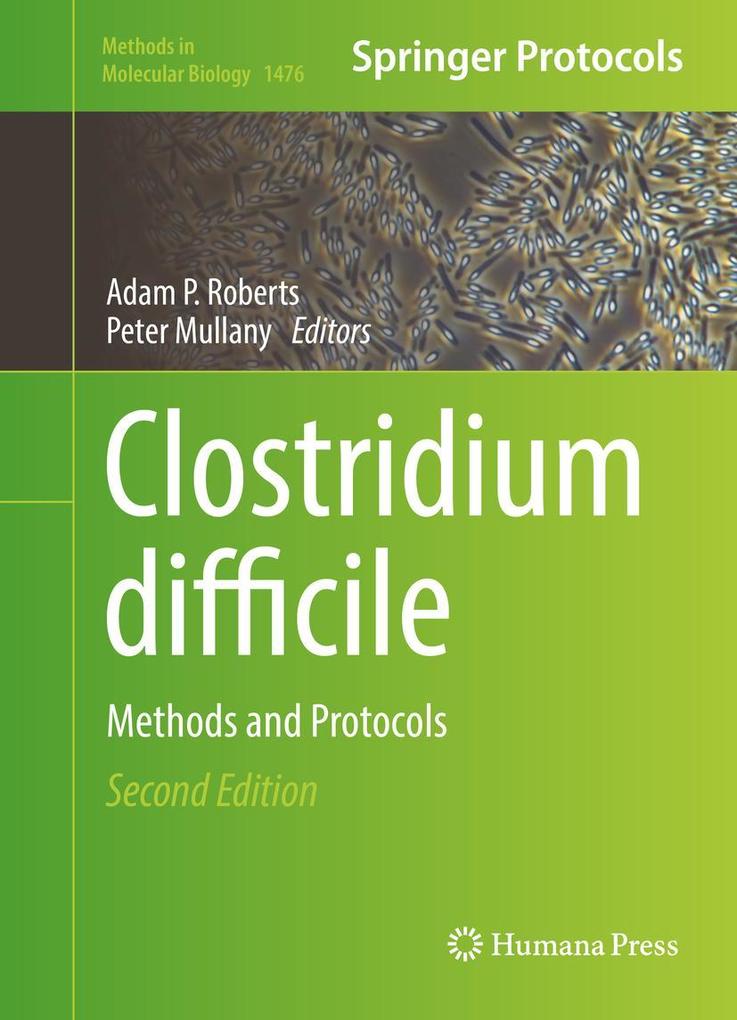
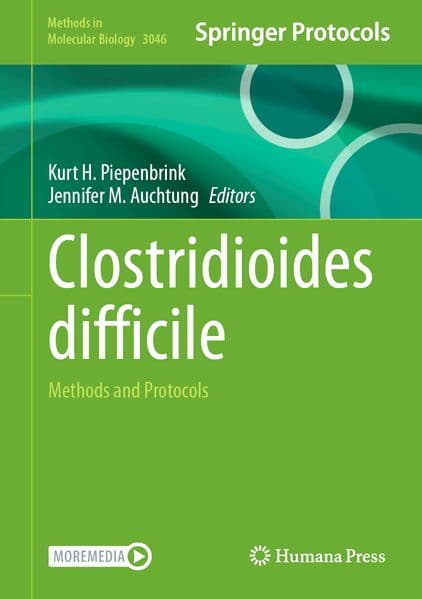
This second edition provides 21 new chapters on methods used in laboratories for investigating the physiology and molecular genetics of the pathogen Clostridium difficile. Chapters detail up-to -date experimental techniques for gene editing and transcriptional analysis which are used to investigate the fundamental biology of the organism and its virulence factors. Additional chapters describe development of potential new treatments including vaccines, bacteriophage and faecal transplantation. Written in the highly successful Methods in Molecular Biology series format, chapters include introductions to their respective topics, lists of the necessary materials and reagents, step-by-step, readily reproducible laboratory protocols, and tips on troubleshooting and avoiding known pitfalls.
Authoritative and cutting-edge, Clostridium difficile: Methods and Protocols, Second Edition provides a comprehensive catalogue of molecular tools and techniques authored by the researchers who have developed them.
Inhaltsverzeichnis
Restriction Endonuclease Analysis Typing of
Clostridium Difficile
Isolates. - Direct PCR-ribotyping of
Clostridium difficile. -
From FASTQ to Function:
In silico
Methods for Processing Next Generation Sequencing Data. -
Clostridium difficile
Genome Editing Using
pyrE
Alleles. - Use of mCherryOpt Fluorescent Protein in
Clostridium difficile. -
A Fluorescent Reporter for Single Cell Analysis of Gene Expression in
Clostridium difficile. - Clostridium difficile
Adhesins. - Intestinal Epithelial Cell Response to Clostridium difficile Flagella. - Isolating and Purifying
Clostridium difficile
Spores. - Inducing and Quantifying
Clostridium difficile
Spore Formation. - Characterization of Functional Prophages in
Clostridium difficile. -
Induction and Purification of
C. difficile
Phage Tail-like Particles. - Phage Transduction. - Transfer of
Clostridium difficile
Genetic Elements Conferring Resistance to Macrolide-Lincosamide-streptograminB (MLS
B
) Antibiotics. - Methods for Determining Transfer of Mobile Genetic Elements in
Clostridium difficile. -
Investigating Transfer of Large Chromosomal Regions Containing the Pathogenicity Locus between
Clostridium difficile
Strains. - An
in vitro
Model of the Human Colon: Studies of Intestinal Biofilms and
lostridium difficile
Infection. - MiniBioReactor Arrays (MBRAs) as a Tool for Studying
C. difficile
Physiology in the Presence of a Complex Community. - A Practical Method for Preparation of Fecal Microbiota Transplantation. - Ion Exchange Chromatography to Analyze Components of a
Clostridium difficile
Vaccine. - A Size Exclusion Chromatography Method for Analysis of
Clostridium difficile
Vaccine Toxins.
Es wurden noch keine Bewertungen abgegeben. Schreiben Sie die erste Bewertung zu "Clostridium difficile" und helfen Sie damit anderen bei der Kaufentscheidung.