Bücher versandkostenfrei*100 Tage Rückgaberecht***Abholung in über 100 Filialen
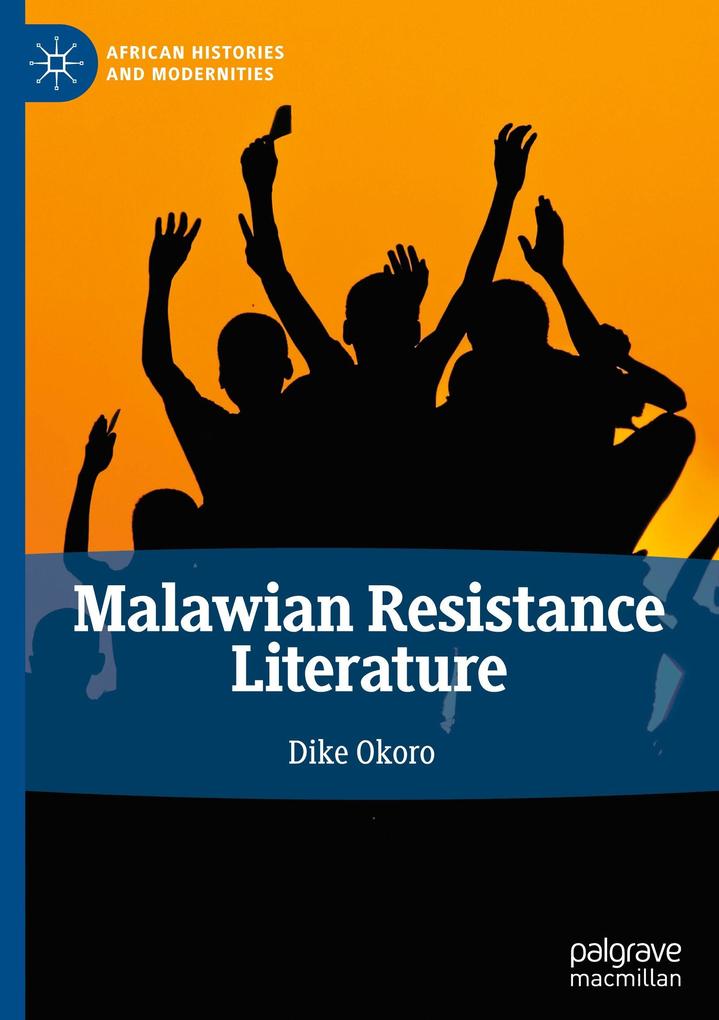
This book explores the development and features of Malawian poetry of resistance, which arguably began with the establishment of the Malawi Writers Group in 1970 and thrived thereafter as a significant literary force in African literature from the 1980s to the 1990s. The group s employment of subversion, orality, and various other poetic techniques that mocked tyranny set apart their expressive styles and identities both in Africa and on a global scale. During Dr Hastings Kamuzu Banda s presidency, creative literature encountered censorship targeting works that were critical of the government. This resulted in the incarceration and coercion of writers who voiced concerns regarding the infringement of human rights. This study examines the literary works of Malawi s second generation poets, who are also referred to as part of Africa s third generation writers. Its objective is to present their work alongside the literary contributions of their contemporaries who have authored fiction, in addition to highlighting the promising endeavors of the younger generation of Malawian speculative fiction writers and artists. This initiative seeks to link the two generations to the oral tradition and the zeitgeist.
Inhaltsverzeichnis
Chapter 1: Introduction. - Chapter 2: National Memory and Myth in the poetry of Frank Chipasula, Stella Chipasula, Edison Mpina, Lupenga Mphande, Steve Chimombo Jack Mapanje and Others. - Chapter 3: Tragic Vision and Historical realism: A Discussion of Malawian poetry in Jack Mapanje`s Gathering Seaweed: African Prison Writing and other prison narratives by Malawian poets during Dr Hastings Kamuzu Banda`s reign as president. - Chapter 4: Aspects of futurism (Africanfuturism or African futurism) in Malawian speculative fiction. - Chapter 5: The Depiction of Motherhood/Mother in Malawian/Southern African literature: A Discussion of Symbols and Metaphors. - Chapter 6: Celebrating the heritage that is your own: the importance of myth, symbolism, and African history in the work of British/Malawian artist/writer, Samson Kambalu. - Chapter 7: A Brief History of Malawi Literature and Performance Arts and The Gulu Wam Kulu Dance Group (A Conversation between Dike Okoro and Lupenga Mphande). - Chapter 8: Teaching African history through literature: A Discussion context and content in the works of Paul Zeleza, Jack Mapanje, Lupenga Mphande and Others. - Chapter 9: Malawian poetry`s rich oral tradition: Discussing the poetry of Jack Mapanje, Felix Mnthali, Steve Chimimbo, Frank Chipasula, Zondiwe Mbano and Lupenga Mphande. - Chapter 10: Lupenga Mphande: Autobiographical Poet of Thoza, Malawi.
Es wurden noch keine Bewertungen abgegeben. Schreiben Sie die erste Bewertung zu "Malawian Resistance Literature" und helfen Sie damit anderen bei der Kaufentscheidung.