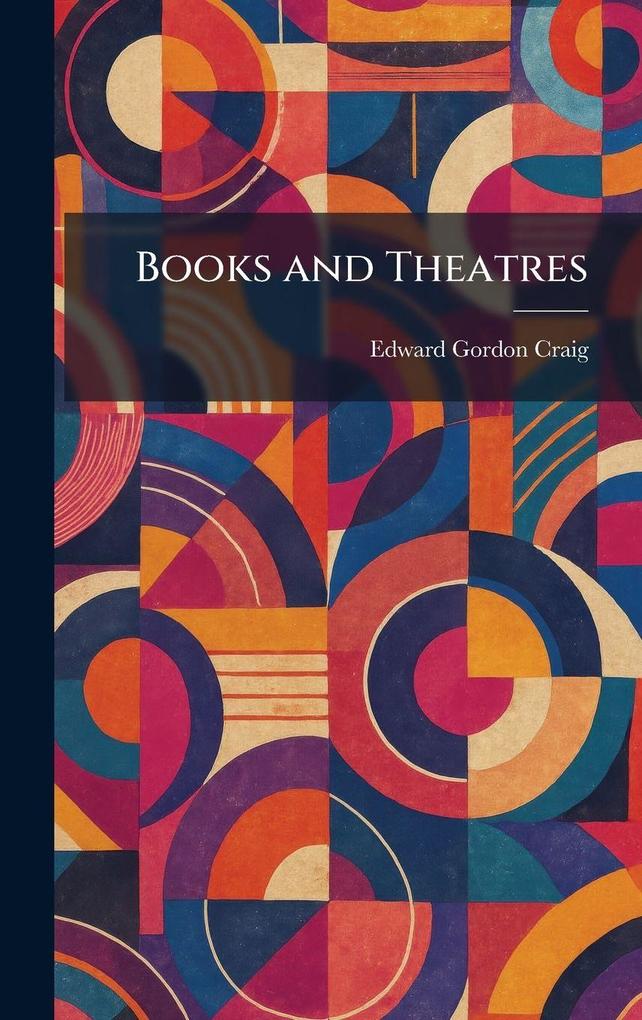
"Books and Theatres" is an insightful collection of essays by the visionary theatrical practitioner Edward Gordon Craig. In this work, Craig explores the profound connection between the written word and the living stage, offering his unique perspectives on the history of drama and the art of performance. The collection delves into various aspects of European theater history, examining the physical spaces of the playhouse and the literary foundations that support them.
Craig, known for his revolutionary ideas in stage design and theory, provides readers with a blend of historical research and personal philosophy. Subjects range from the architecture of Italian theaters to the works of Shakespeare and the nuances of book collecting for the dramatic artist. Through these pages, the author advocates for a theater that is both visually evocative and intellectually grounded. "Books and Theatres" serves as a vital resource for students of stagecraft, theater historians, and anyone fascinated by the evolution of the dramatic arts during the early twentieth century.
This work has been selected by scholars as being culturally important, and is part of the knowledge base of civilization as we know it. This work was reproduced from the original artifact, and remains as true to the original work as possible. Therefore, you may see the original copyright references, library stamps (as most of these works have been housed in our most important libraries around the world), and other notations in the work.
This work is in the public domain in the United States of America, and possibly other nations. Within the United States, you may freely copy and distribute this work, as no entity (individual or corporate) has a copyright on the body of the work.
As a reproduction of a historical artifact, this work may contain missing or blurred pages, poor pictures, errant marks, etc. Scholars believe, and we concur, that this work is important enough to be preserved, reproduced, and made generally available to the public. We appreciate your support of the preservation process, and thank you for being an important part of keeping this knowledge alive and relevant.