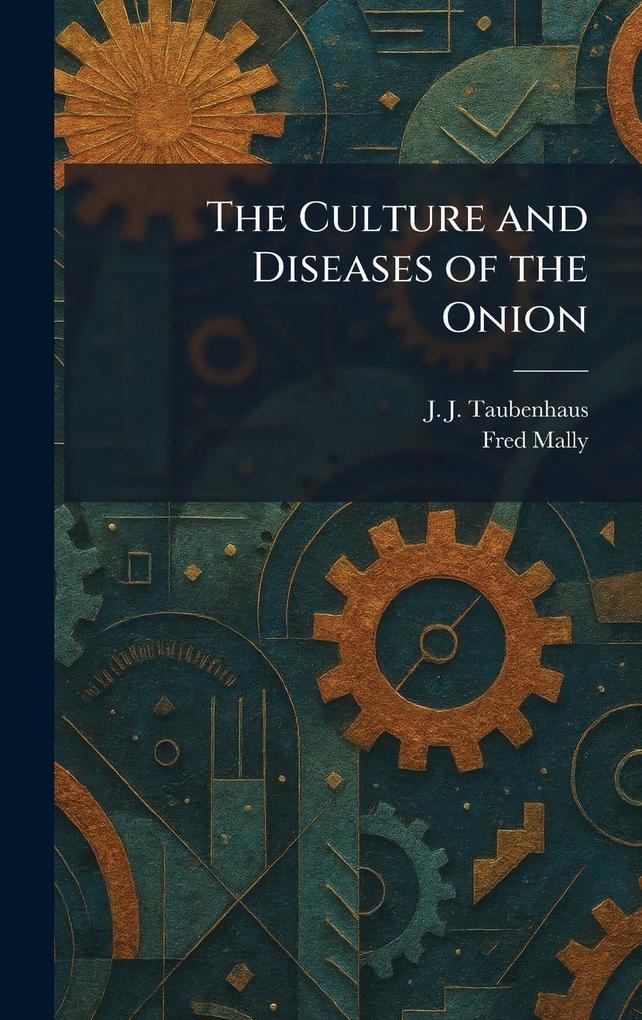
"The Culture and Diseases of the Onion" is a comprehensive agricultural guide that explores the intricate details of onion cultivation and the management of various plant pathologies. Written by experts J.J. Taubenhaus and Fred Mally, this work serves as an essential resource for farmers, horticulturists, and students of agronomy. It provides a detailed overview of the lifecycle of the onion, from soil preparation and seeding to specialized harvesting and storage techniques designed to maximize yield.
A significant portion of the text is dedicated to the various diseases and pests that threaten onion crops. By cataloging fungal infections, bacterial rots, and insect infestations, the authors provide practical diagnostic information and mitigation strategies that were pivotal to the development of large-scale agriculture. Through its systematic approach, the work illuminates the complexities of vegetable farming, offering deep insights into the environmental factors affecting plant health and the selection of hardy varieties. This volume remains a valuable historical reference for those interested in the evolution of plant pathology and the fundamental science of sustainable vegetable production. Whether for historical study or practical agricultural context, it remains a definitive look at one of the world's most vital food crops.
This work has been selected by scholars as being culturally important, and is part of the knowledge base of civilization as we know it. This work was reproduced from the original artifact, and remains as true to the original work as possible. Therefore, you may see the original copyright references, library stamps (as most of these works have been housed in our most important libraries around the world), and other notations in the work.
This work is in the public domain in the United States of America, and possibly other nations. Within the United States, you may freely copy and distribute this work, as no entity (individual or corporate) has a copyright on the body of the work.
As a reproduction of a historical artifact, this work may contain missing or blurred pages, poor pictures, errant marks, etc. Scholars believe, and we concur, that this work is important enough to be preserved, reproduced, and made generally available to the public. We appreciate your support of the preservation process, and thank you for being an important part of keeping this knowledge alive and relevant.