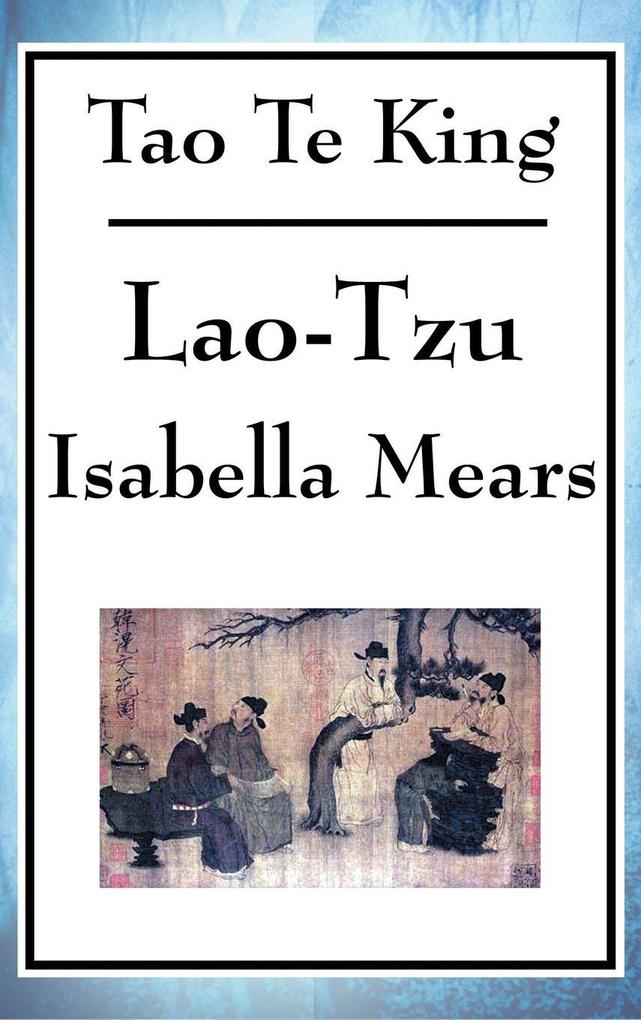
A foundational work of Taoist philosophy presenting a sustained reflection on order, balance, and the nature of the Way (Tao) as it relates to human conduct and governance. Composed in brief, aphoristic chapters, the text develops its ideas through contrast and reversal, exploring the relationship between action and non-action, strength and yielding, presence and absence.
The work resists systematic exposition, proceeding instead through suggestive formulations that invite reflection rather than conclusion. Its central concern lies in alignment: the recognition that effective action emerges not from force but from an understanding of underlying patterns. The language is deliberately compressed, requiring attention to nuance and context, and has supported multiple interpretive traditions across centuries.
Isabella Mears's translation reflects an early effort to present Taoist thought to an English-speaking readership, emphasizing clarity and readability while retaining the reflective and paradoxical character of the original. Positioned within the broader history of Chinese philosophy, the Tao Te King continues to be read as both a work of inquiry and a statement on the limits of intention and control.