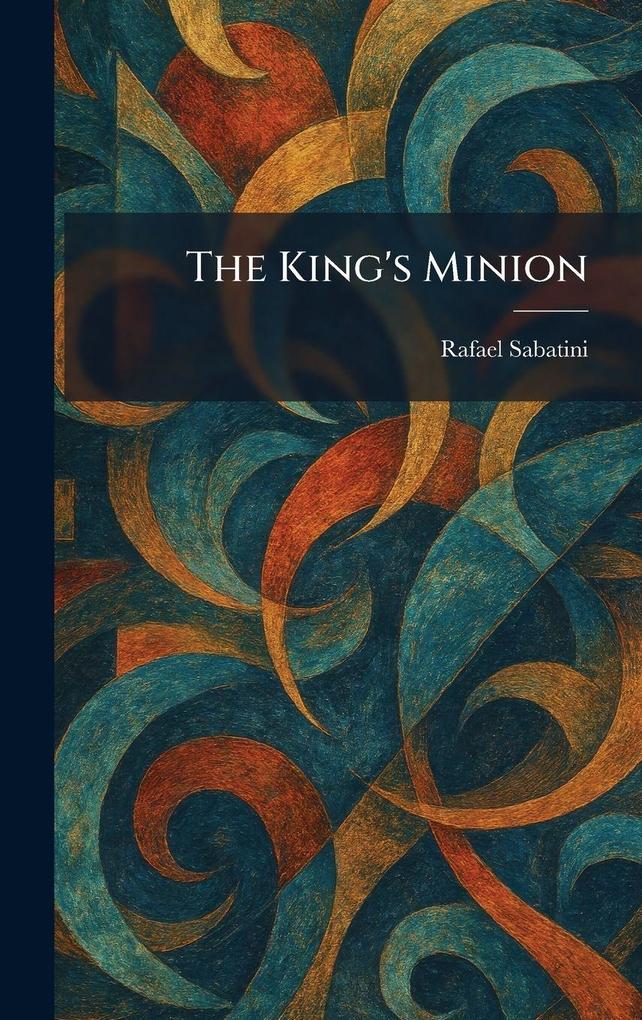
"The King's Minion" is a compelling historical novel that explores the dramatic rise and precipitous fall of Robert Carr within the treacherous landscape of the Jacobean court. Set during the reign of King James I, the narrative follows the young Scotsman as he catches the monarch's eye and rapidly ascends to the heights of power and nobility as the Earl of Somerset.
As Carr navigates the complexities of royal favor, he becomes deeply entangled in a web of political maneuvering and romantic scandal. Central to the plot is his relationship with his brilliant but cynical mentor, Sir Thomas Overbury, whose guidance proves essential to Carr's success but whose eventual interference in Carr's personal life sets the stage for one of the most infamous crimes in English history. Rafael Sabatini skillfully weaves historical facts with gripping prose to depict the Overbury murder case and the dark undercurrents of ambition and betrayal that defined the era.
Focusing on the corrupting influence of power and the fragility of status, "The King's Minion" offers a vivid window into 17th-century England. This work remains a definitive example of Sabatini's ability to transform historical chronicles into a high-stakes drama of loyalty, love, and judicial intrigue.
This work has been selected by scholars as being culturally important, and is part of the knowledge base of civilization as we know it. This work was reproduced from the original artifact, and remains as true to the original work as possible. Therefore, you may see the original copyright references, library stamps (as most of these works have been housed in our most important libraries around the world), and other notations in the work.
This work is in the public domain in the United States of America, and possibly other nations. Within the United States, you may freely copy and distribute this work, as no entity (individual or corporate) has a copyright on the body of the work.
As a reproduction of a historical artifact, this work may contain missing or blurred pages, poor pictures, errant marks, etc. Scholars believe, and we concur, that this work is important enough to be preserved, reproduced, and made generally available to the public. We appreciate your support of the preservation process, and thank you for being an important part of keeping this knowledge alive and relevant.