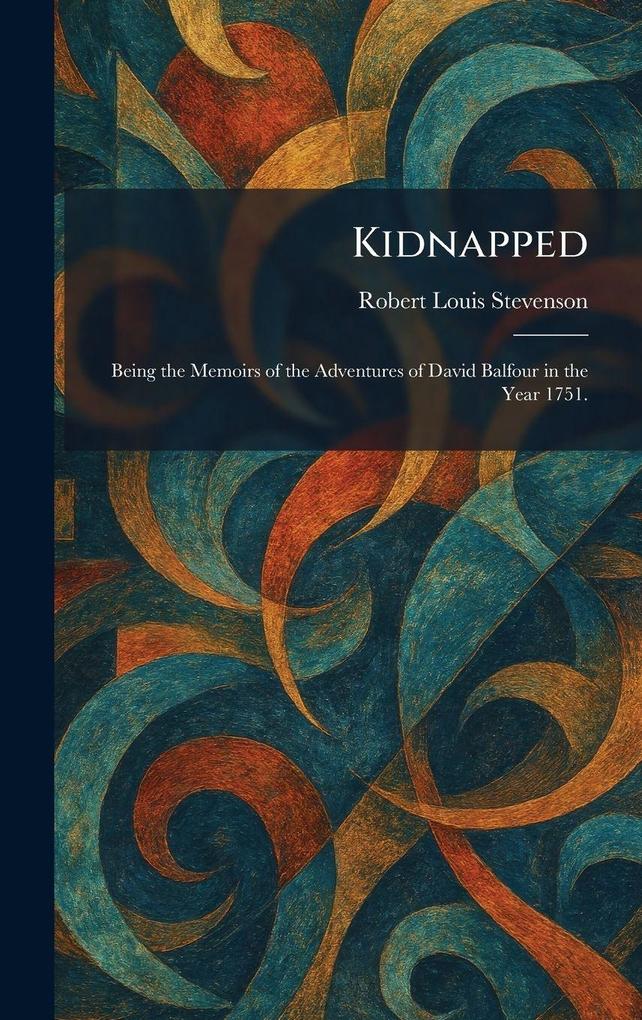
"Kidnapped: Being the Memoirs of the Adventures of David Balfour in the Year 1751" is a masterpiece of adventure fiction and a cornerstone of Scottish literature. Set against the backdrop of the 18th-century Jacobite unrest, the story follows young David Balfour, an orphan who discovers he is the rightful heir to the House of Shaws. His treacherous uncle, Ebenezer, arranges for David's abduction and transport to the American colonies, but a chance encounter at sea and a dramatic shipwreck change the course of his fate.
Joined by the swashbuckling Jacobite rebel Alan Breck Stewart, David embarks on a perilous journey across the rugged Scottish Highlands. As they flee from government soldiers following the infamous Appin murder, the two form an unlikely bond despite their differing loyalties. Robert Louis Stevenson's narrative is celebrated for its historical atmosphere, vivid descriptions of the Scottish landscape, and deep psychological insight into its protagonists. This classic tale explores themes of justice, honor, and the loss of innocence, remaining a compelling work of historical intrigue and high-stakes survival.
This work has been selected by scholars as being culturally important, and is part of the knowledge base of civilization as we know it. This work was reproduced from the original artifact, and remains as true to the original work as possible. Therefore, you may see the original copyright references, library stamps (as most of these works have been housed in our most important libraries around the world), and other notations in the work.
This work is in the public domain in the United States of America, and possibly other nations. Within the United States, you may freely copy and distribute this work, as no entity (individual or corporate) has a copyright on the body of the work.
As a reproduction of a historical artifact, this work may contain missing or blurred pages, poor pictures, errant marks, etc. Scholars believe, and we concur, that this work is important enough to be preserved, reproduced, and made generally available to the public. We appreciate your support of the preservation process, and thank you for being an important part of keeping this knowledge alive and relevant.