It seems that just about every new technology that we bring to bear on improving our lives brings with it some downside, side effect or unintended consequence.
These issues can pose very real and growing ethical problems for all of us. For example, automated facial recognition can make life easier and safer for us – but it also poses huge issues with regard to privacy, ownership of data and even identity theft. How do we understand and frame these debates, and work out strategies at personal and governmental levels?
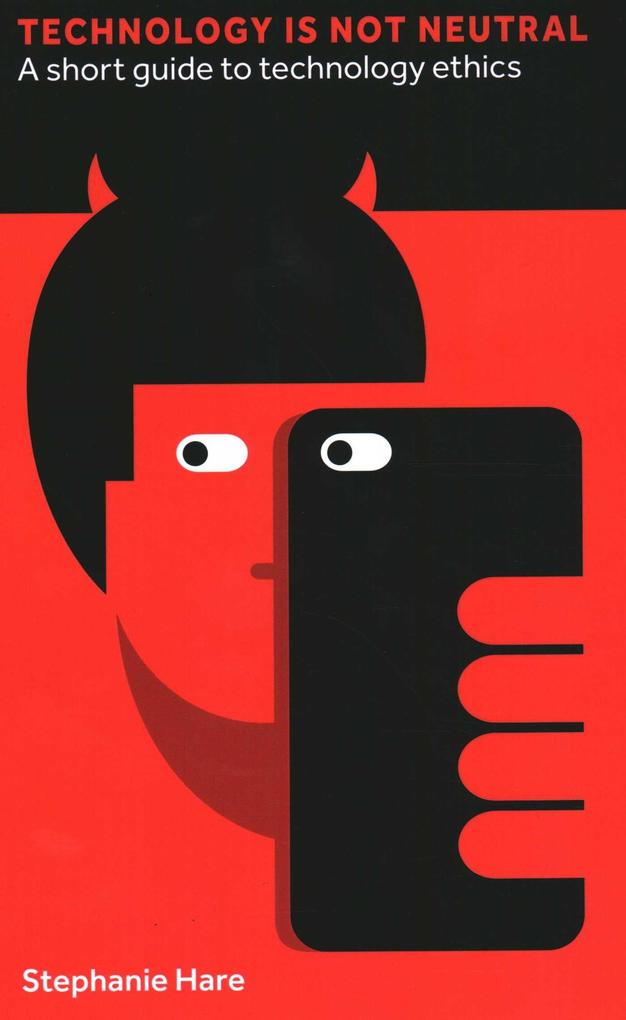
Technology Is Not Neutral: A Short Guide to Technology Ethics addresses one of today’s most pressing problems: how to create and use tools and technologies to maximize benefits and minimize harms?
Drawing on the author’s experience as a technologist, political risk analyst and historian, the book offers a practical and cross-disciplinary approach that will inspire anyone creating, investing in or regulating technology, and it will empower all readers to better hold technology to account.
Inhaltsverzeichnis
Introduction
Humans, not cogs in the machine
We begin as data
Why I wrote this book
A short guide to technology ethics
Chapter 1: Is technology neutral?
The debate
Between the bone and the bomb
Technology is more than tools
Where does responsibility enter the equation?
Conclusion
Chapter 2: Where do we draw the line?
How do we draw the line (and test that it is in the right place)?
Who draws the line – and who decides when that line has been crossed?
Conclusion
Chapter 3: Facial recognition technology
Metaphysics: what is facial recognition technology?
Epistemology: how can we learn about facial recognition technology?
Logic: how do we know what we know about facial recognition?
Political philosophy: how does facial recognition technology affect power dynamics?
Aesthetics: what is our experience of facial recognition technology?
Ethics: is facial recognition technology a good thing or a bad thing?
Conclusion
Chapter 4: Pandemic? There’s an app for that
Immunity passports
Exposure notification apps
Quick response (QR) code check-in
Vaccine passports for domestic use
Conclusion
Conclusion
Towards a culture of technology ethics
The problem with problems
Technology ethics in action
Do we need a Hippocratic Oath for technology?
Glossary
Notes
Further reading
Acknowledgements
About the author
Figures
Index