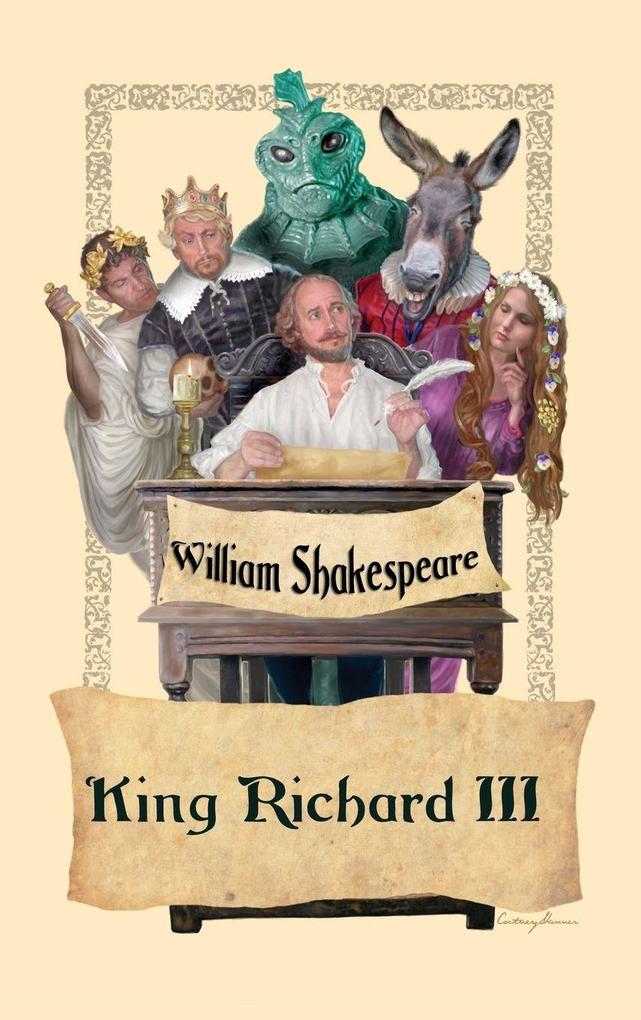
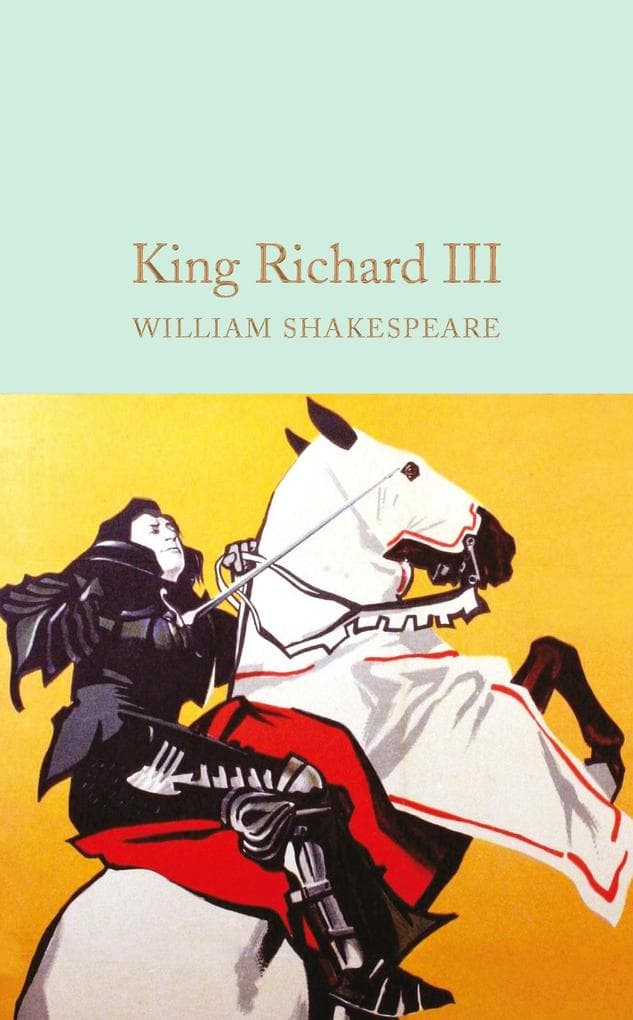
William Shakespeare (1564-1616) was an English poet, playwright, and actor, widely regarded as the central figure of English literature and one of the most influential dramatists in world literature. His surviving works include tragedies, comedies, histories, romances, narrative poems, and sonnets, many of which remain central to theatre, education, literary study, and general reading. Shakespeare's plays combine dramatic structure, psychological depth, political insight, verbal brilliance, and a lasting command of human motive, making them foundational texts for readers of classic drama and English Renaissance literature.His history plays helped shape the literary memory of English monarchy, civil conflict, dynastic legitimacy, and national identity. In the two parts of King Henry IV, Shakespeare gives particular force to the tension between private appetite and public rule, using Prince Hal, Falstaff, Hotspur, rebellion, succession, and kingship to examine how political authority is formed and what it demands. His influence extends across literature, performance, criticism, film, and popular culture, and his works remain among the most frequently read, staged, adapted, and studied writings in the English language.