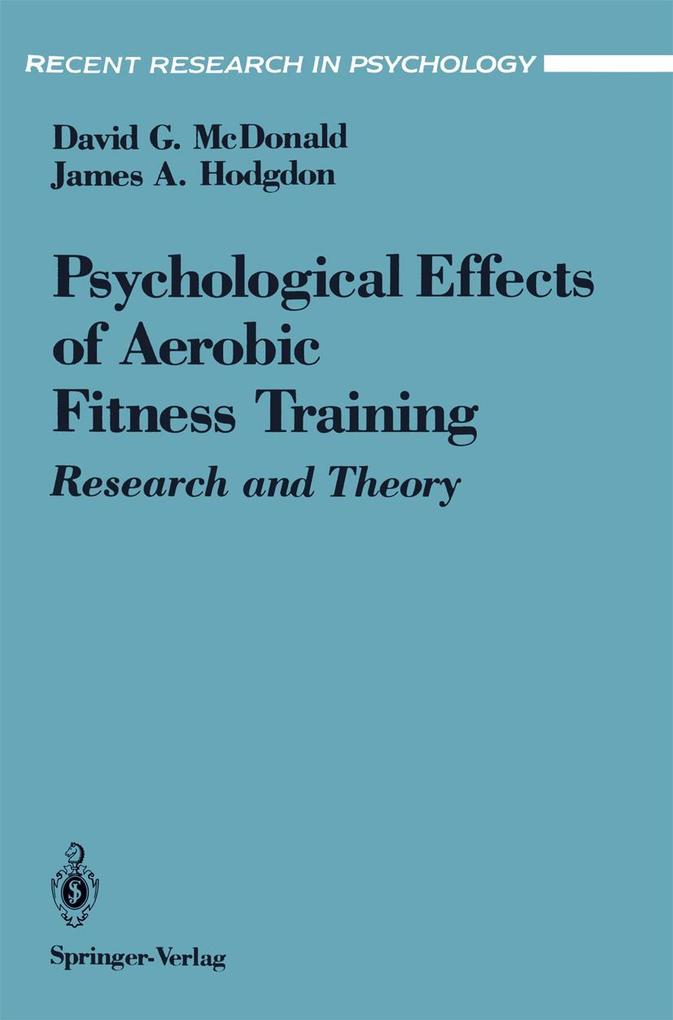
Numerous provocative studies on the psychological effects of aerobic fitness training are available today, and more are appearing almost on a daily basis. This book reviews and evaluates the research, and it asks and attempts to answer significant background questions: What are the various motivating factors that have contributed to the emergence of the national fitness movement? What are the public health considerations con- cerning the relationship between physical fitness and coronary heart disease? What exactly do we mean by "physical fitness," especially "aerobic" fitness? This book contains essential, in-depth data for everyone interested in the most solid and reliable information on the psychology of aerobic fitness.
Inhaltsverzeichnis
One - Introduction. - Coronary Heart Disease in the Twentieth Century. - Can the Study of Risk Factors Reverse the Trend? . - Emerging Significance of the Field of Exercise Physiology. - Can Fitness Provide Insurance Against Coronary Heart Disease? . - Exercise as Its Own Reward. - Summary. - Two - Aerobic Fitness. - What Is Aerobic Fitness? . - Popular Aspects of Fitness and the Exercise Revolution. - What Is the Training Effect and How Is It Achieved? . - What Are the Risks and Necessary Precautions? . - What Are the Likely Results of a Fitness Program? . - Demonstrated Health Benefits of Aerobic Fitness. - Summary. - Three - Experimental Design. - What Are Subject and Experimenter Biasing Effects? . - Problems with Definition and Standardization of Procedure. - Effects of Extraneous Variables on the Validity of Experiments. - Extraneous Variables Affecting Internal Validity. - Extraneous Variables Affecting External Validity. - Requirements for a Study of Aerobic Fitness Effects. - Procedures for Measurement of Aerobic Fitness. - Summary. - Four - Meta-Analysis. - The Nature of Evidence in the Scientific Process. - Sources of Error in Narrative Research Reviews. - Origin of and Early Work in Meta-analysis. - Strengths and Benefits of Meta-analysis. - When is Meta-analysis Appropriate? . - How to Do a Meta-analysis. - Problems and Solutions in Meta-analysis. - Remaining Problems in Meta-analysis. - Summary. - Five - Search Methods. - What and Where Is the Target Literature? . - Computer-Assisted Searches. - Additional Search Methods. - Selection Criteria. - Characteristics of Studies Not Included. - Coding Methods. - Information in the Coding Summary. - Summary. - Six - Mood Studies. - Measures of Mood State. - Independent Variables. - Results by Study. - Results by Group. - POMS and MAACL Compared. - General Findings. - Interpretation of Findings. - Summary. - Seven - Depression and Anxiety. - Measures of Depression. - Measures of Anxiety. - Independent Variables. - Results by Study. - Depression and Anxiety Groups -- Results by Group. - Additional Comparisons. - General Findings -- Depression Studies. - General Findings -- Anxiety Studies. - Depression and Anxiety Compared. - Interpretation of Findings for Depression and Anxiety. - Summary. - Eight - Self-Concept Studies. - Measures of Self-concept. - Independent Variables. - Results by Study. - Results by Group. - Additional Comparisons. - General Findings. - Interpretation of Findings. - Summary. - Nine - Personality Studies. - Measures of Personality. - Independent Variables. - Results by Study. - Results by Group. - Additional Comparisons. - General Findings. - Interpretation of Findings. - Summary. - Ten - Theory and Conclusions. - Summary of Results. - Theoretical Models. - Guidelines for Future Research. - Appendix A. - Statistical Formulae. - Coding Summary. - References.