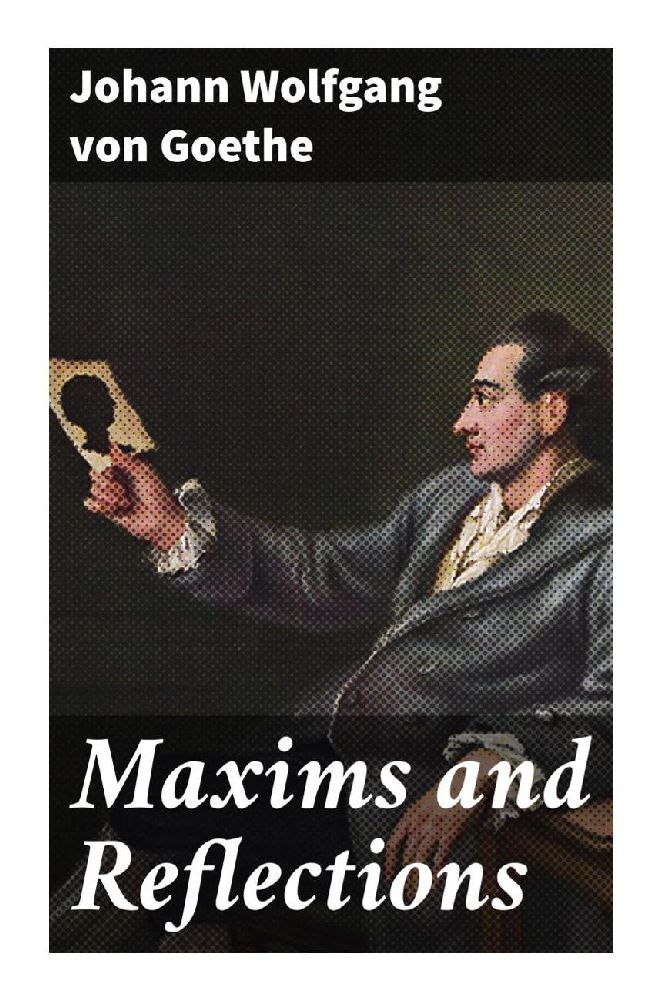
Maxims and Reflections gathers Goethe's aphoristic observations on art, nature, ethics, science, politics, and the discipline of self-cultivation. Neither systematic philosophy nor casual miscellany, the book belongs to the European tradition of the fragment, where compressed sentences become instruments of inquiry. Its style is lucid, poised, and deceptively simple: Goethe moves from worldly prudence to metaphysical suggestion with the authority of a poet who distrusted abstraction when severed from experience. Johann Wolfgang von Goethe, central figure of German letters and author of Faust, The Sorrows of Young Werther, and Wilhelm Meister, wrote from within an unusually broad intellectual life. Poet, dramatist, novelist, statesman, critic, and natural scientist, he spent decades refining a vision of Bildung: the harmonious education of the individual through art, action, observation, and restraint. These maxims distill the habits of a lifetime devoted to disciplined seeing. This volume is recommended to readers who value wisdom literature that resists easy consolation. It offers not slogans, but provocations: brief forms that invite rereading, disagreement, and application. For students of Goethe, Romanticism, or intellectual history, it is indispensable; for general readers, it is a bracing companion in thought.