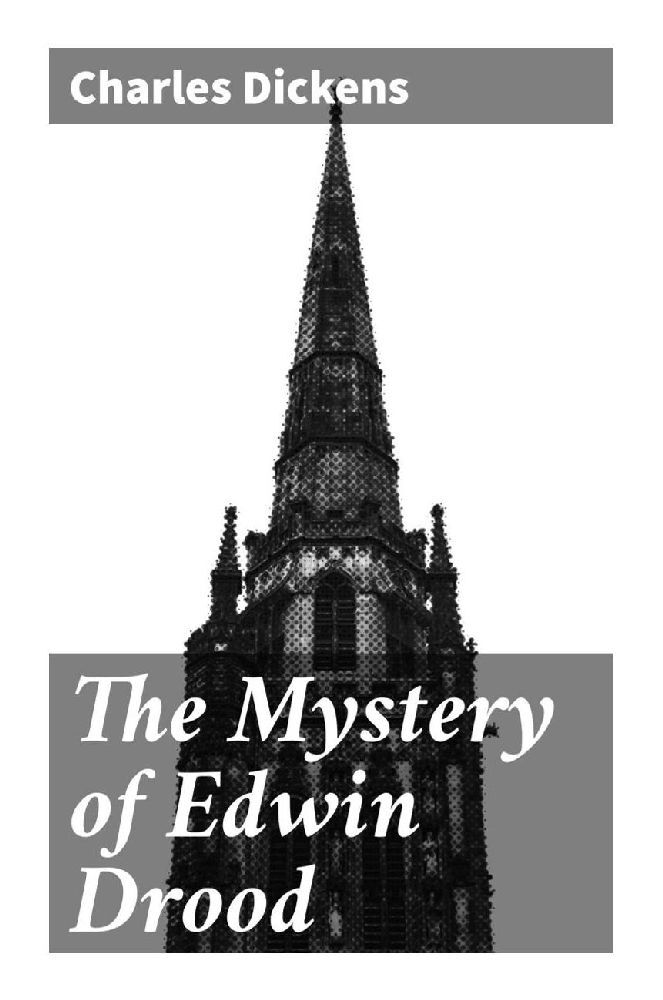
Charles Dickens's final, unfinished novel, The Mystery of Edwin Drood, is a darkly suggestive tale of disappearance, obsession, and concealed violence set in the cathedral town of Cloisterham. Centering on the vanishing of young Edwin Drood and the sinister passions of his uncle, John Jasper, the book blends Victorian melodrama, Gothic atmosphere, and early detective fiction. Its fragmentary state intensifies its fascination: Dickens's sharp social observation, theatrical characterization, and increasingly psychological style leave readers confronting ambiguity as a deliberate literary experience. By the time he began the novel, Dickens was the most celebrated novelist of Victorian England, seasoned by decades of writing about crime, poverty, theatricality, and moral corruption. His own experience as performer, journalist, and tireless observer of urban life informs the novel's dramatic pacing and unease. His death in 1870 left Drood unresolved, transforming it into both a literary text and an enduring historical puzzle. This book is highly recommended to readers interested in Dickens at his most enigmatic and experimental. It rewards those drawn to mystery, psychological tension, and Victorian fiction, offering not merely an incomplete story but a compelling invitation to interpret, question, and imagine.