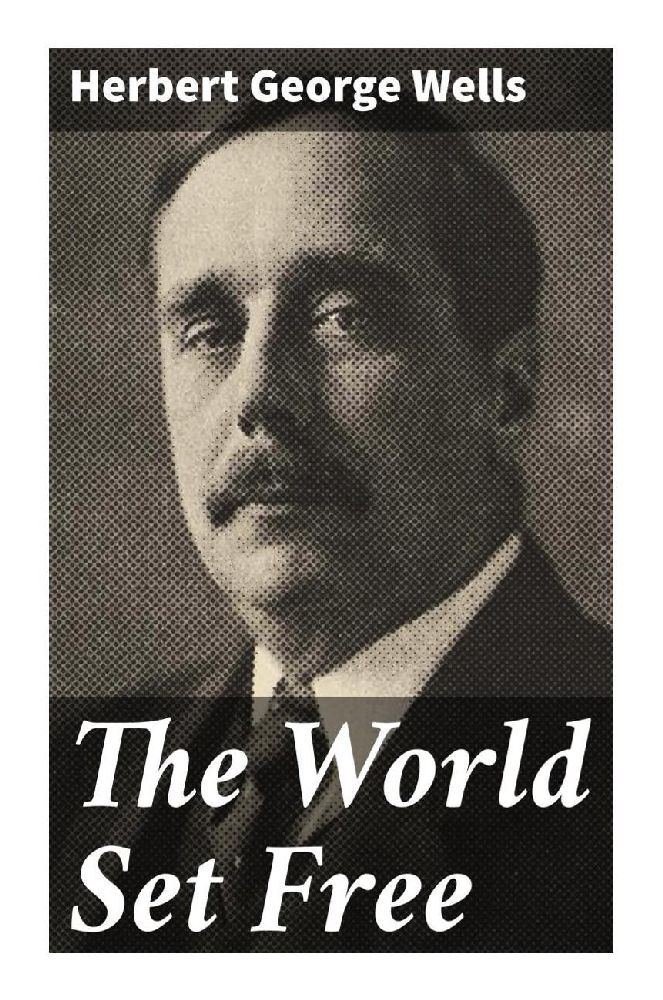
The World Set Free (1914) imagines a civilization transformed by the discovery of atomic energy, first as industrial promise and then as unprecedented catastrophe. Wells's narrative combines speculative extrapolation, political romance, and utopian treatise, anticipating nuclear warfare decades before Hiroshima while placing that terror within Edwardian debates about science, empire, and international order. Its plain, urgent prose favors argument over psychological subtlety, making the novel less a conventional adventure than a visionary thought-experiment in modernity's peril and possibility. Herbert George Wells was unusually equipped to write such a book: trained in biology under T. H. Huxley, he brought scientific literacy to fiction, and as a socialist-leaning public intellectual he distrusted nationalism and unregulated technological power. His recurrent concern with evolution, education, and world government informs the novel's movement from destructive invention toward a rationally organized global commonwealth, revealing both his optimism and his anxiety about humanity's moral immaturity. Readers interested in the origins of science fiction's nuclear imagination will find The World Set Free indispensable. It is recommended not merely for its predictions, but for its audacious attempt to convert apocalypse into ethical instruction and political hope.